Published on
3rd November 2026
Read time
6 mins
When you begin looking at schools for your child, the terminology can take a little getting used to. Nursery, Reception, pre-prep and prep all describe parts of a child's education, but it is not always immediately clear where one stage ends and another begins.
Pre-prep is the name many independent schools use for their youngest school years. At Alleyn Court, it covers Reception, Year 1 and Year 2, before children move into Prep in Year 3. These years give children time to develop their reading, writing and number skills, whilst learning how to be part of a school community.
Understanding what happens during pre-prep can help you picture your child's day and decide what matters most for their first years at school.
What age are children in pre-prep?
Children in Reception are usually aged four to five, those in Year 1 are five to six, and those in Year 2 are six to seven. Schools sometimes use the term pre-prep differently, so check the year groups included whenever you compare settings.
Nursery comes before Reception. Prep describes the next stage in a preparatory school; at Alleyn Court, that is Years 3 to 6. If you are considering a place part-way through your child's education, the admissions team can explain the relevant entry point and availability.
How does learning develop from Reception to Year 2?
A child who has just started Reception has different needs from a pupil approaching the end of Year 2. Good early education allows for that development, giving children new responsibilities as they become ready for them.
Reception: discovering what school can be
Reception brings plenty of first experiences: finding a place in a new classroom, listening as part of a group, managing belongings and getting to know other children. Becoming comfortable with these everyday routines is an important part of learning.
Early literacy and number work can sit alongside conversation, imaginative play and practical exploration. For example, a pretend shop offers opportunities to make labels, count items and explain an idea to a friend. The activity has a purpose children understand, with an adult helping them take their thinking further.
Year 1: building on familiar foundations
As children become more confident, they can spend longer following an idea and begin to work with greater independence. They might write a few sentences about something they have made, explain how they counted a group of objects or read back their own work.
Practical resources still have an important place. Handling objects, drawing a picture or talking through a problem gives a teacher insight into what a child understands. Progress involves being able to explain an answer as well as reach it.
Year 2: taking the next steps
By Year 2, children have had more time to develop familiar learning habits. They can be encouraged to check what a task asks, choose useful resources and have a go before seeking help.
Preparing for the next stage also involves small social responsibilities: listening to somebody else's suggestion, contributing to a shared task and recognising when a classmate needs encouragement. Children will develop these skills at different speeds, and should receive support that reflects that.
What should a balanced pre-prep education include?
Reading, writing and mathematics deserve careful attention, but they are part of a wider childhood. Creative subjects, movement and time outside give children different ways to participate and express what they know.
In Alleyn Court's Pre-Prep, specialist subjects include Art, Music, Drama, French and Physical Education. Outdoor learning also forms part of the provision. This breadth allows children to explore interests alongside their developing academic skills.
When considering a school, look at how that variety works in an ordinary week. A list of subjects is a starting point; seeing children engaged in them gives you a clearer picture.
How do teachers know whether a child is making progress?
Useful conversations about progress go beyond whether a child has completed a piece of work. Can they use something they learnt yesterday in a new situation? Can they explain their thinking? Are they becoming more willing to join in?
You might notice progress at home in unexpected ways. A child may begin reading signs on a familiar walk, writing a message for a relative or working out how many places are needed at the table. These everyday moments are worth sharing with their teacher.
During a school visit, ask how teachers identify difficulties, adapt a task and communicate with families. It is helpful to understand both the usual reporting arrangements and who you should speak to between formal meetings.
What can parents do at home?
There is plenty of value in ordinary family life. Preparing a shopping list together, playing a turn-taking game or talking about something your child has noticed can create useful opportunities for language and thinking.
Offer manageable responsibilities, such as putting belongings in a familiar place or helping prepare for the following morning. Give your child time to try, and help when needed. Independence grows through repeated opportunities, rather than an expectation that everything will be mastered at once.
Follow your child's teacher's guidance about any reading or other activities sent home. If something regularly causes frustration, discuss it with the school so you can agree an approach together.
Frequently asked questions
Is pre-prep the same as nursery?
At Alleyn Court, Nursery and Pre-Prep are separate stages. Pre-Prep covers Reception, Year 1 and Year 2. Ask each school how it uses the term, as arrangements can vary.
Does my child need to be able to read before Reception?
Children arrive with a range of experiences and skills. If you are unsure what a school expects before entry, ask its Reception or admissions team directly. Sharing what your child enjoys and where they need support helps the school get to know them.
How can I decide whether pre-prep is right for my child?
A visit gives you the chance to see how adults and children interact and how learning is organised. Consider your child's needs, the journey to school and the practical arrangements alongside the curriculum.
Discover Pre-Prep at Alleyn Court
The first years of school are full of small achievements that matter: sharing an idea, making a friend or finding the confidence to try again. We would be delighted to show you our Pre-Prep and discuss your child's next steps. Arrange a visit to Alleyn Court to find out more.
Latest news
View all blogs
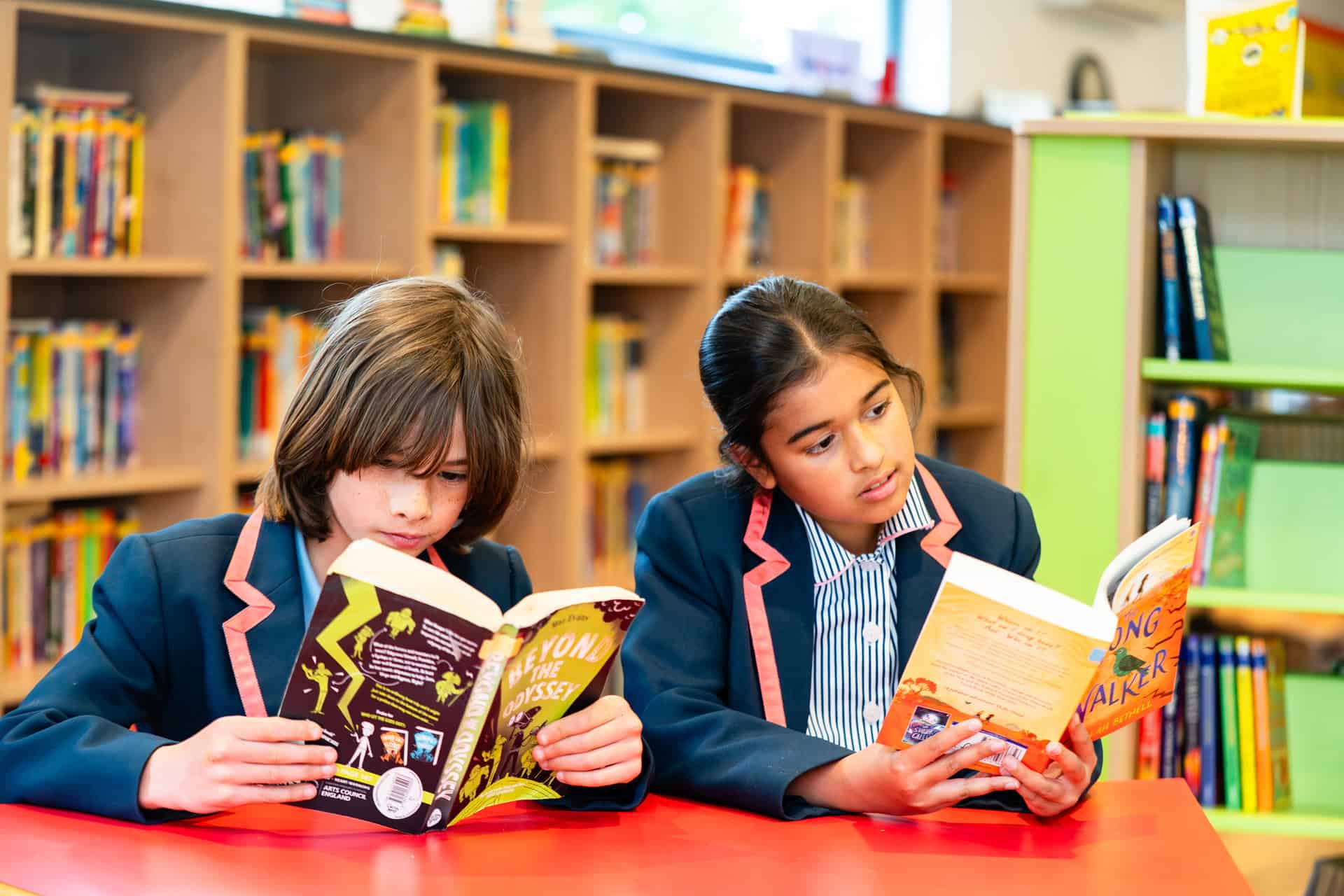
Reading for Pleasure: Why It Matters and How to Encourage It Alongside School
03/11/26
We believe children learn best when they feel safe, secure, and celebrated. Our dedicated staff provide a strong network of support, ensuring every child feels valued.
Read
How Music and Movement Support Learning in the Early Years
19/10/26
We believe children learn best when they feel safe, secure, and celebrated. Our dedicated staff provide a strong network of support, ensuring every child feels valued.
Read
How a School House System Builds Belonging and Confidence
05/10/26
We believe children learn best when they feel safe, secure, and celebrated. Our dedicated staff provide a strong network of support, ensuring every child feels valued.
Read