
Published on
3rd November 2026
Read time
7 mins
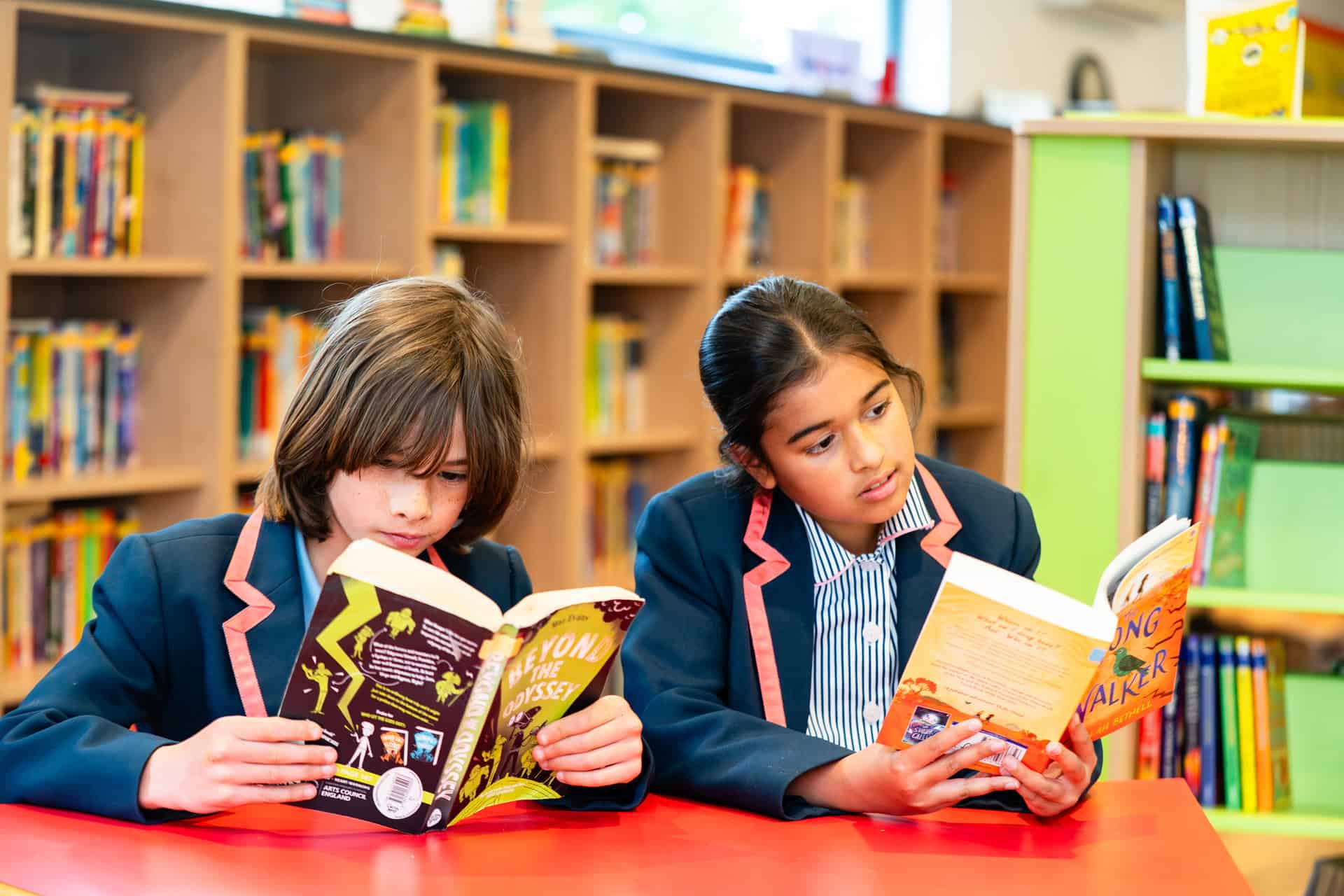
Some children always seem to have a book on the go. Others need a little more help finding something they want to read. If your child is reluctant to pick up a book after school, it can be difficult to know whether to encourage them, leave them to it or try something different.
Reading for pleasure starts with giving children reasons to enjoy reading. A funny poem, an absorbing story or a page of facts about a favourite animal can all provide that first spark. The aim is to help your child discover reading they want to return to.
Here, we look at how to make room for that enjoyment alongside school reading, with practical ideas that can fit into everyday family life.
What does reading for pleasure mean?
Reading for pleasure means reading because you want to: to find out what happens, explore an interest or spend time with a familiar story. It includes fiction and non-fiction, poetry, comics and many other kinds of text.
A school reading book may have a particular teaching purpose, such as practising sounds a child has already learnt. A book chosen for enjoyment has a different starting point: the child's interest. Both have a place, and the same book can sometimes serve both purposes.
BookTrust's guidance on starting school highlights the importance of maintaining enjoyment whilst children learn to read. As family routines become busier and reading practice becomes more structured, shared stories and children's own choices still need room.
Why does reading enjoyment matter?
Reading gives a child something to think about, imagine and discuss. A story might prompt a conversation about why a character made a surprising decision. A factual book might lead to a question neither of you has considered before.
The National Literacy Trust identifies parents, carers and wider family as important influences on children's reading enjoyment and engagement. Reading together and making reading visible in family life can help children see it as something worth doing for themselves.
For families, there is also value in the experience itself. Sharing a book gives you something to enjoy together, without needing an elaborate activity or a particular result at the end.
1. Begin with what interests your child
If your child loves football, animals, space or making things, use that interest as a starting point. Offer a small selection and let them browse. The book that attracts their attention may look different from the one you would have chosen.
Try asking what they liked about a recent book. Was it the pictures, the humour, a particular character or being able to dip into short sections? Their answer can help you choose what to offer next.
The Department for Education's advice for families encourages children to explore a range of reading material and make their own choices. A library visit is a useful opportunity to try different formats without buying each book.
2. Keep sharing stories as children grow
Being able to read independently does not mean a child has finished enjoying being read to. You can continue a shared story alongside the books they read for themselves.
Agree a comfortable way to share the experience. Perhaps you read aloud and your child follows the illustrations, or you take turns with a familiar passage. The Department for Education also recommends regular reading aloud and reading together as a family.
There is no need for a polished performance. Your interest in the book and in spending time together matters more than getting every character's voice right.
3. Give reading a realistic place in your day
Think about when your child is most receptive. A bedtime story may suit one family; another may find that everyone is too tired by then. You could try sharing a short piece earlier in the evening or having a quieter moment with a book at the weekend.
Keep the arrangement manageable. For example, let your child choose a book before you begin so that the time together does not disappear into a long search. Leaving a few inviting books within reach can make it easier to start.
If a routine stops working, adjust it. The aim is a habit your family can enjoy and sustain, with room for the occasional difficult day.
4. Let the conversation follow the book
You do not need a prepared set of questions for every chapter. Share your own reaction and see what your child notices. Perhaps an illustration is funny, a character has behaved unfairly or a fact seems extraordinary.
A simple comment can open a conversation: you might mention that a character seems to have changed their mind, then wait to see whether your child agrees. They may have spotted something you missed.
Equally, allow a gripping moment to stay gripping. Sometimes a child simply wants to hear the next page. There can be time to talk afterwards.
5. Work with the school when reading feels difficult
A child who avoids reading may be tired, unsure about a book or finding part of the reading itself hard. Try to notice what happens before drawing conclusions. Do they enjoy listening but struggle when asked to read aloud? Does their enthusiasm change with a different book?
Share those observations with their teacher. Ask how the school reading book has been selected, what support is useful at home and how to respond when your child gets stuck. Specific examples give you a better starting point for the conversation than simply saying that reading is not going well.
At Alleyn Court, our Pre-Prep provision includes phonics and reading as children build their early learning foundations. Keeping in touch with the school helps families understand how home reading can support their child's next steps.
Frequently asked questions
Does reading the same book again count?
Yes. Returning to a favourite is part of enjoying books. Your child may like knowing what is coming or joining in with a familiar passage. You can keep offering other choices alongside it.
Should I insist that my child finishes every book?
For a book chosen freely, it is reasonable to talk about what is not working and choose something else. If it is a school reading book, ask the teacher how best to approach it so that you understand its purpose.
What if my child only wants to read comics?
Comics are reading material too. Explore what your child enjoys about them, then offer other books with features that appeal to them, such as illustrations, humour or short chapters. Keep their preferences part of the conversation.
How much reading should we do each evening?
Follow the school's guidance for reading practice and discuss any difficulties with your child's teacher. For reading together for enjoyment, find a manageable moment that suits your family and your child's energy.
Helping curiosity grow
A child's relationship with reading develops through many small experiences: finding a favourite character, laughing at a line or discovering an unexpected fact. There is room for different tastes and different starting points.
At Alleyn Court, curiosity is one of our core values. If you would like to learn more about our approach to education, arrange a visit and meet our school community.
Latest news
View all blogs
What Is Pre-Prep and How Does It Work?
03/11/26
We believe children learn best when they feel safe, secure, and celebrated. Our dedicated staff provide a strong network of support, ensuring every child feels valued.
Read

How Music and Movement Support Learning in the Early Years
19/10/26
We believe children learn best when they feel safe, secure, and celebrated. Our dedicated staff provide a strong network of support, ensuring every child feels valued.
Read

How a School House System Builds Belonging and Confidence
05/10/26
We believe children learn best when they feel safe, secure, and celebrated. Our dedicated staff provide a strong network of support, ensuring every child feels valued.
Read