
Published on
5th October 2026
Read time
5 mins
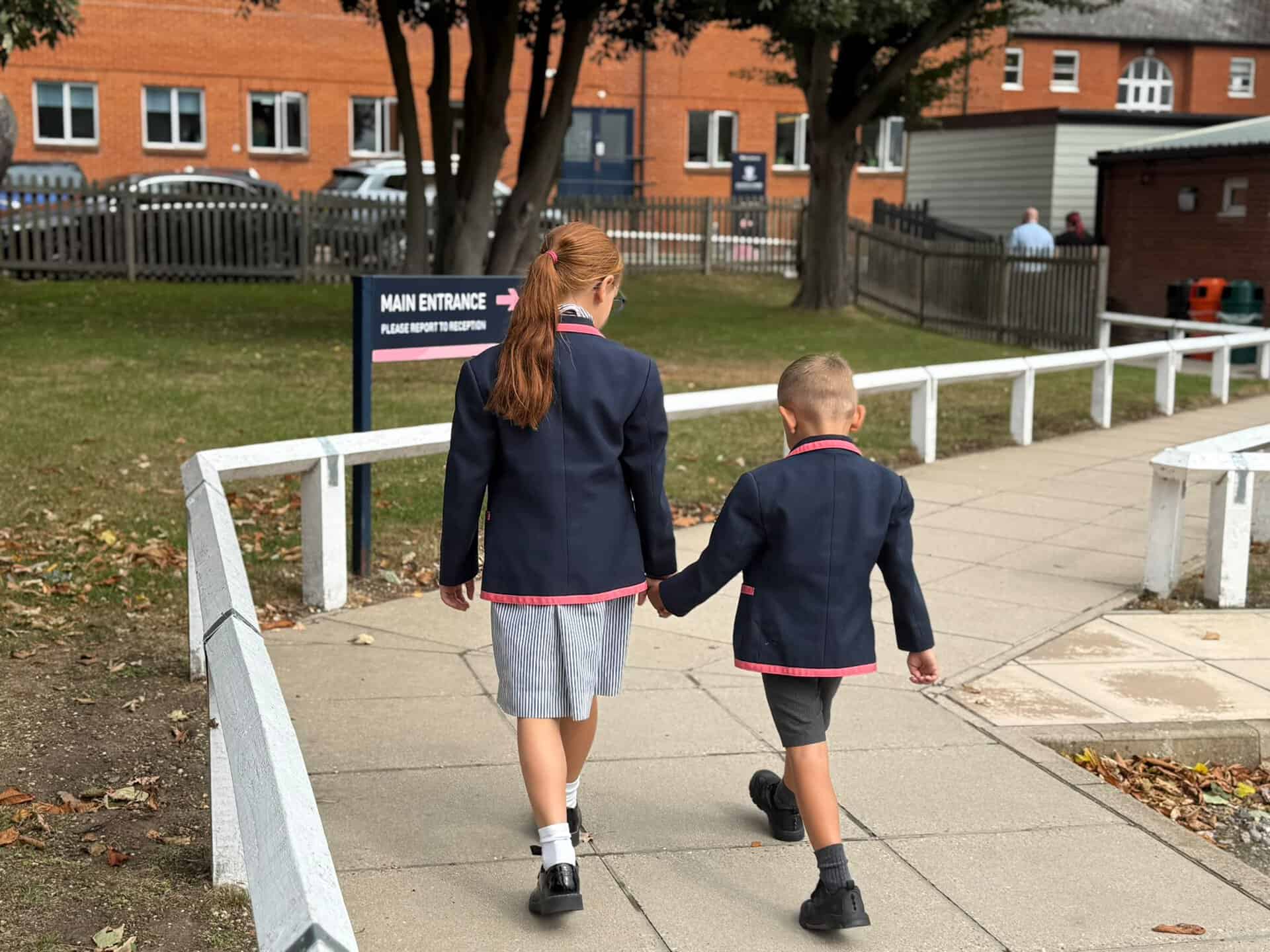
A school can feel much bigger than a child’s classroom. Knowing pupils in other year groups, contributing to shared activities and having people to support can help children feel part of the wider community.
A House system creates opportunities for those connections to develop.
At Alleyn Court, every pupil joins Pearsons, Rankins, Tremaynes or Williams from Reception onwards. Through House points, events and competitions, children gain a shared identity that continues as they progress through the school.
For families exploring the benefits of a school House system, its value becomes clearest in everyday experiences: an older pupil offering encouragement, a child earning points through determined effort, or a team learning how to respond to disappointment together.
Belonging beyond the classroom
Classrooms provide an important base for friendships and relationships with teachers. House membership adds another connection, bringing together pupils who might not otherwise spend much time with one another.
A younger child may recognise an older pupil who helped them during an event. Children in different classes may discover a shared interest or find themselves working towards the same goal.
These encounters can make the wider school feel more familiar. They also help children understand that they belong to a community in which people of different ages have something to contribute.
For younger pupils, earning a House point introduces this idea in a practical way. Their individual effort becomes part of a collective achievement.
Recognising different contributions
Children bring different strengths to school life. Some enjoy performing or competing. Others contribute through careful preparation, perseverance or the encouragement they give to classmates.
A thoughtful House system creates opportunities to recognise these different contributions.
At Alleyn Court, pupils earn points for their House and participate in events throughout the school year. This gives children repeated opportunities to become involved, rather than making their experience depend on the outcome of a single competition.
It also encourages pupils to notice what other people bring to a group. The child who celebrates a teammate’s effort, offers reassurance or keeps trying after a setback plays a valuable role in the shared experience.
Learning to compete well
Friendly competition gives children a reason to prepare, concentrate and challenge themselves. It also brings feelings that take practice to manage.
Excitement, disappointment and pride in somebody else’s success are all part of participating. Adults help pupils understand these emotions and respond in ways that show respect for themselves and others.
A Year 5 and 6 House football competition at Alleyn Court, organised and led by Tremaynes House, provided an example of these opportunities in action. Alongside playing, pupils could encourage teammates, respect opponents and take responsibility for a shared event.
The conversations surrounding a competition matter too. Reflecting on what a team did well, how it responded when something became difficult and who offered support helps children identify actions they can carry into their next experience.
A win can be enjoyed while still recognising the effort and achievements of others.
Practising leadership through responsibility
House activities give older pupils opportunities to lead with a clear purpose.
Helping an event run smoothly requires preparation and communication. A pupil may need to explain an activity, listen to a concern or encourage somebody who is unsure about joining in.
These responsibilities help children understand what being dependable involves. Leadership develops through carrying out a role, responding to other people and learning from the experience.
With appropriate adult guidance, pupils can begin to appreciate the organisation and care involved in leading a group. They also learn that a successful event depends on the contributions of many people.
Alleyn Court’s pupil leadership opportunities support this growing understanding of responsibility and service.
Putting school values into practice
Alleyn Court’s values of Curiosity, Courage and Compassion provide a useful way to think about participation.
Curiosity might involve trying an unfamiliar activity or considering a different approach. Courage may mean taking a turn despite feeling nervous. Compassion can be seen when a pupil notices that somebody needs encouragement.
House events create situations in which children can practise these choices.
The aim is for those habits to continue beyond a competition, influencing how pupils work together in lessons, welcome younger children and respond when a friend finds something difficult.
What parents can ask on a school visit
When exploring a school’s House system, ask how it shapes a child’s actual experience.
Which activities bring pupils together? How do younger children participate? What responsibilities do older pupils hold, and how are they supported?
It is also useful to ask how the school encourages participation across different interests and recognises contributions beyond competition results.
At Alleyn Court, the four Houses provide a shared identity as children grow through the school. Their purpose is strongest when pupils understand that they have something to contribute and that their efforts will be noticed.
Families are welcome to arrange a personal tour, meet pupils and staff, and discover how House life contributes to the Alleyn Court community.
Latest news
View all blogs
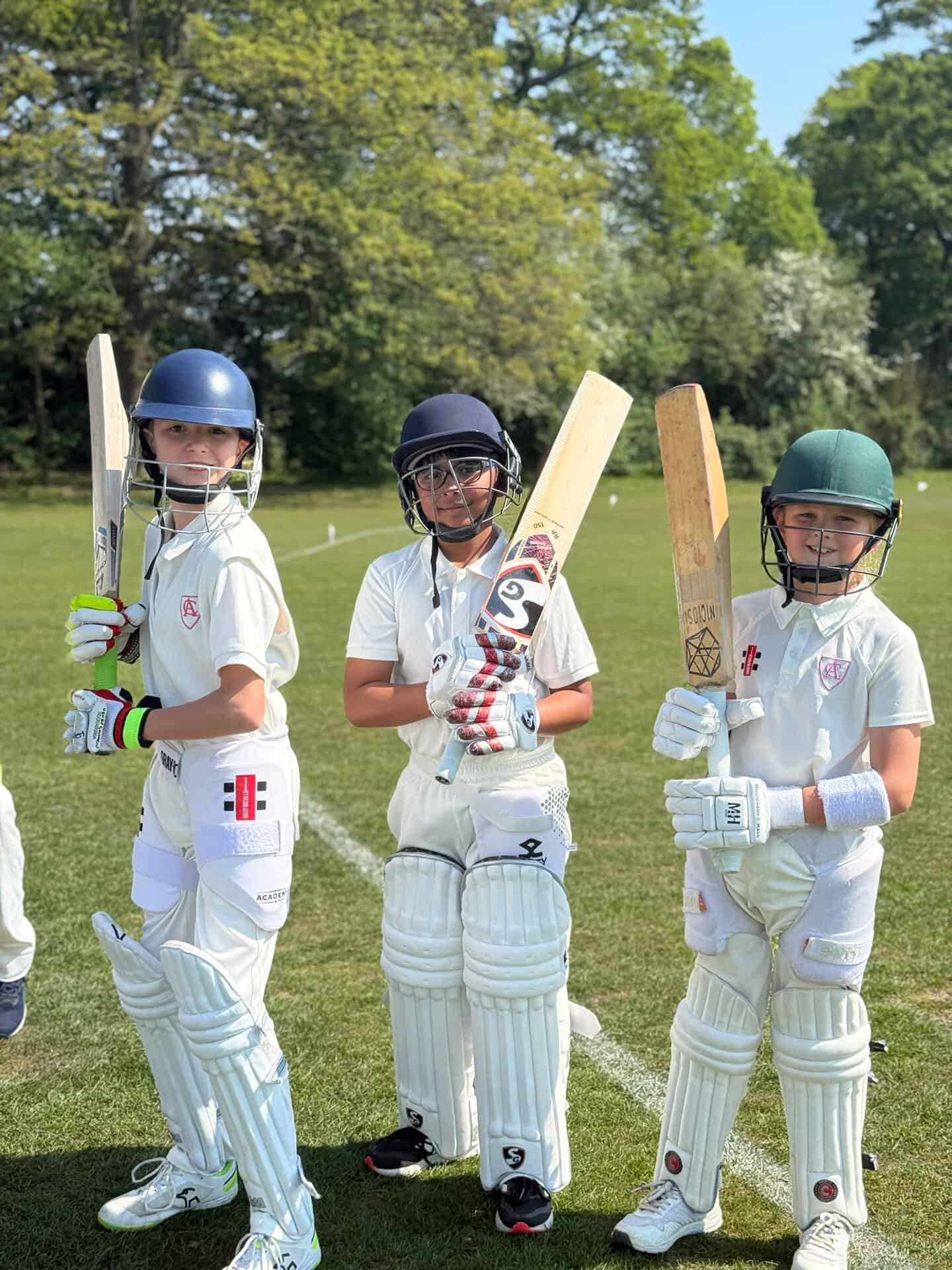
How Music and Movement Support Learning in the Early Years
19/10/26
We believe children learn best when they feel safe, secure, and celebrated. Our dedicated staff provide a strong network of support, ensuring every child feels valued.
Read
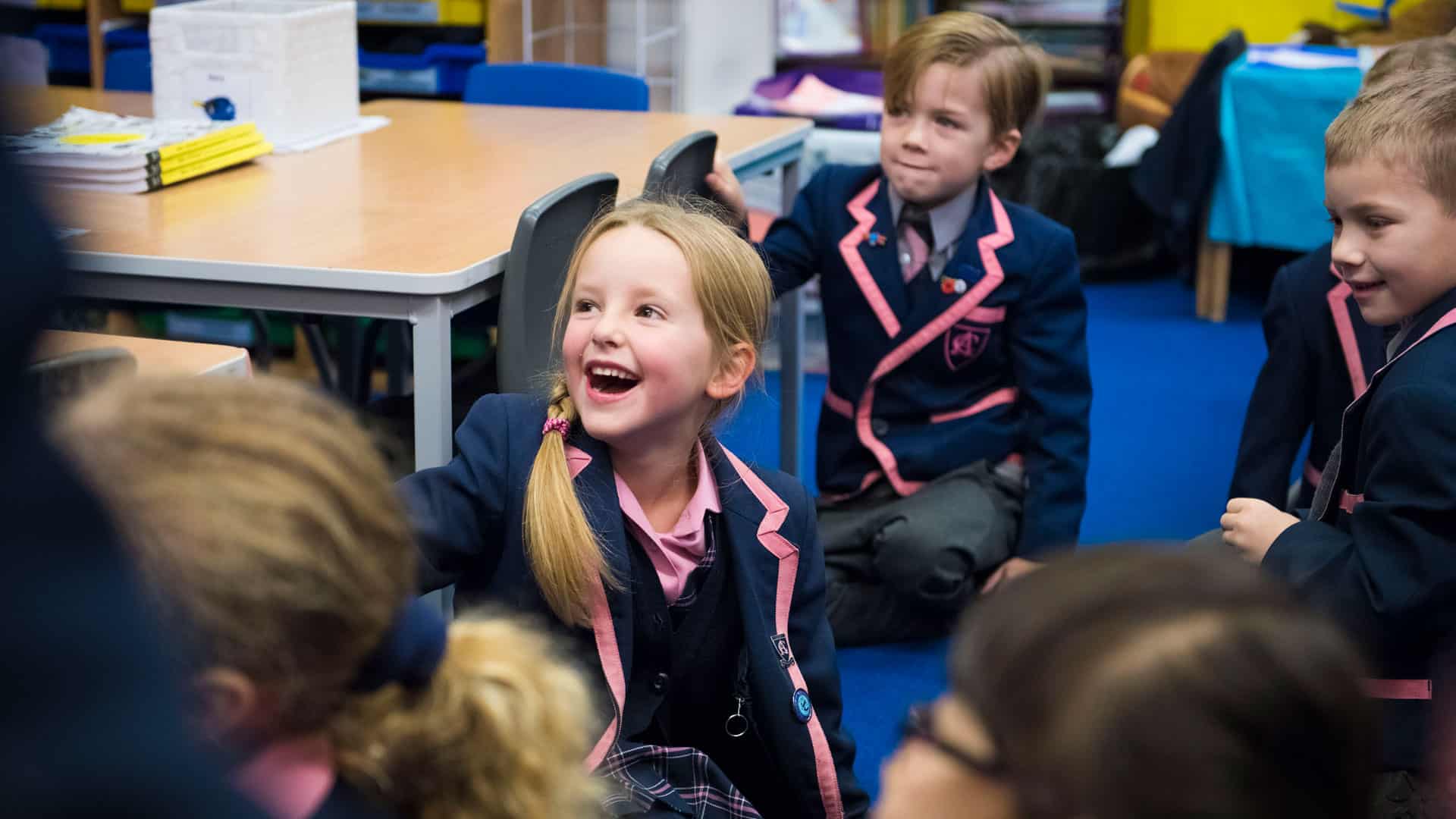
Private school fees in Essex: what they include and how to think about value
25/09/26
We believe children learn best when they feel safe, secure, and celebrated. Our dedicated staff provide a strong network of support, ensuring every child feels valued.
Read
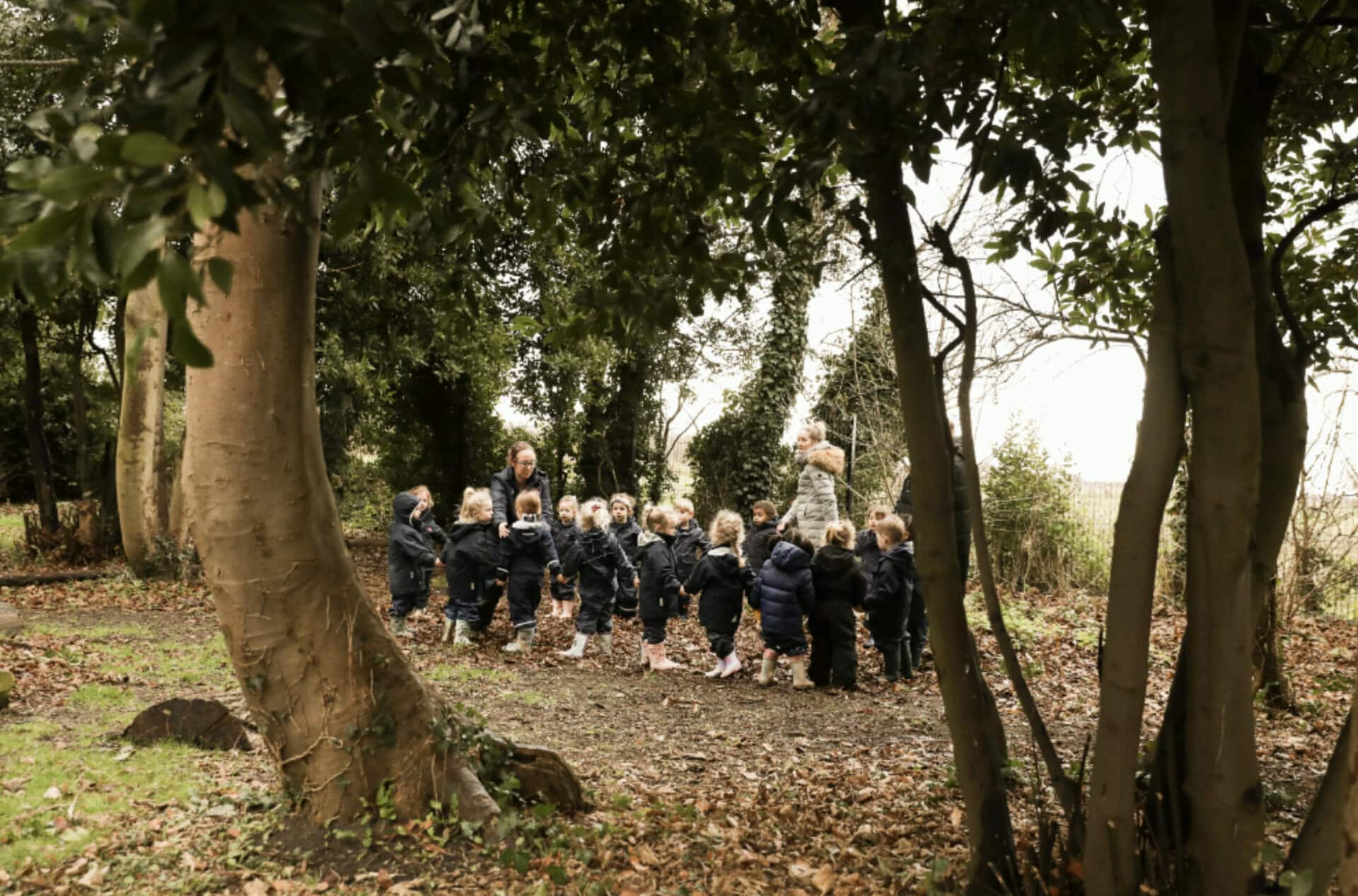
Forest school activities: what a typical woodland session actually looks like
25/09/26
We believe children learn best when they feel safe, secure, and celebrated. Our dedicated staff provide a strong network of support, ensuring every child feels valued.
Read