
Published on
25th August 2026
Read time
16 mins

A new school year at prep school brings a mix of excitement and nerves for children, and often for parents too. The best way to help your child settle in is to combine practical preparation with emotional support, giving them structure at home and reassurance that their feelings are normal. Small, consistent steps in the weeks before term starts can make a noticeable difference to how confident your child feels.
Whether your child is starting prep school for the first time or moving up a year, the transition can affect their mood, sleep, and behaviour at home. Understanding what to expect and how to respond can help you and your child through this period. Parents and carers who stay in close contact with the school during this time tend to spot and resolve any issues more quickly.
This article looks at practical ways to prepare for the first day, how to build familiar routines at home, and how to support your child's confidence and friendships as they adjust. It also covers how to work with the school during the settling-in period and answers common questions parents ask at this time of year.
Key Takeaways
- Preparing for the first day and keeping familiar routines at home can ease the transition into a new school year.
- Supporting your child's confidence, friendships, and emotional security helps them settle in more smoothly.
- Staying in contact with the school during the settling-in period allows any concerns to be addressed early.
Prepare for the First Day
Getting ready for the first day involves a few practical steps: familiarising your child with the school environment, introducing them to their new teacher, rehearsing the daily journey, and sorting out uniform and equipment in advance. Taking care of these details ahead of time can reduce first-day stress for both you and your child.
Visit the School and Attend a Taster Day
Many prep schools offer a taster day before term starts, giving your child a chance to walk the corridors, see the classrooms, and get a feel for the layout. This is particularly useful if your child is starting a new school for the first time.
Attending a taster day helps take away some of the mystery around what the building looks like and where things are, such as the toilets, dining hall, and playground.
If a taster day isn't available, ask the school if you can arrange an informal visit. Even a short walk around the grounds after hours can help.
Take photos during the visit so your child can look back at them in the days before their first day of school.
Meet the New Teacher and Identify Trusted Adults
If possible, arrange for your child to meet their new teacher before term begins. Knowing a friendly face in advance can make walking into an unfamiliar classroom feel far less intimidating.
Ask the school who else your child can turn to during the day, such as a teaching assistant, form tutor, or member of pastoral staff. Point out these people during any pre-term visit.
At home, talk through simple facts rather than assumptions: what the teacher's name is, which classroom they'll be in, and who else is in their year group. This keeps the conversation grounded and avoids over-promising how the day will go.
Practise the Journey, Drop-Off, and Pick-Up
Rehearse the route to school in the days before term starts, whether that's walking, driving, or taking the bus. Familiarity with the journey reduces uncertainty on the morning itself.
Explain clearly what drop-off and pick-up will look like:
- Where you'll say goodbye
- Who will collect them at the end of the day
- Whether they're attending any after-school clubs
A short, predictable goodbye routine, such as a specific phrase or hug, can make separation easier for both of you. Keep it brief and calm, even if your child is upset, and reassure them you'll return at the end of the day.
Organise Uniform, School Bags, and Essential Kit
Sort uniform, shoes, and school bags at least a few days before term starts, rather than leaving it to the night before. Check that everything still fits, as children often grow over the summer.
Involve your child in small decisions where possible, such as choosing which school bag or pencil case to use. This gives them a sense of control over the return to school.
A simple checklist can help:
| Item | Checked |
| Uniform (labelled) | ☐ |
| Shoes | ☐ |
| School bag | ☐ |
| PE kit | ☐ |
| Stationery/pencil case | ☐ |
| Water bottle and lunchbox | ☐ |
Laying out everything the night before the first day of school can make the morning routine calmer for parents and children alike.
Create Familiar Routines at Home
A predictable school routine helps children feel secure as they move from the freedom of the holidays back into term-time structure. Reintroducing bedtime and morning habits early, alongside clear visual tools, makes the return to school feel less abrupt for both children and parents and carers.
Reset the Bedtime Routine Gradually
Prep school days are long, so a well-rested child copes far better with lessons, activities, and social demands. Start shifting bedtime back towards the school-term schedule about a week or two before term begins, moving it earlier by 10 to 15 minutes each night rather than all at once.
Keep the wind-down routine consistent: a bath, reading time, or quiet chat about the day ahead. This signals to your child that sleep is approaching, even if the clock still feels unfamiliar.
Wake-up times matter just as much as bedtimes. Adjust these gradually too, so the body clock has time to reset before the first day back.
Rehearse a Calm Morning Routine
Mornings set the tone for the rest of the school day, so it helps to run through the routine before term starts. Practise the full sequence: waking up, getting dressed, eating breakfast, and packing the school bag, at the times you'll use once school resumes.
This rehearsal highlights any snags in timing before they become a real problem on the first day. For example, you might find breakfast takes longer than expected, or your child struggles with a particular uniform item.
- Lay out uniform the night before
- Prepare lunch boxes or bags in advance
- Avoid introducing new tasks on school mornings
- Build in a few extra minutes for the unexpected
Use a Visual Timetable for the Week
Younger prep school children, in particular, benefit from seeing their week mapped out clearly. A visual timetable showing school days, after-school clubs, and any changes to pick-up arrangements helps children know what to expect and reduces last-minute confusion.
You can keep this simple with a whiteboard, printed chart, or even a set of cards showing icons for each activity. Update it together each week so your child feels involved in understanding their own schedule.
This tool is especially useful during the early weeks of returning to school, when new routines haven't yet become second nature. It also gives your child a reference point if they feel unsure about what comes next.#
Build Independence Through Small Responsibilities
Giving your child small, manageable tasks helps them feel more in control as they settle back into school life. This might include choosing their own snack for break time, packing their own bag with your guidance, or deciding which book to bring home for reading.
These choices don't need to be significant to have an impact. Even small decisions, such as picking a water bottle or setting out their shoes, build a sense of ownership over the school routine.
Over time, this approach encourages children to take on more responsibility for their own morning and evening tasks, which supports both confidence and independence as the school year progresses.
Build Confidence, Friendships, and Emotional Security
Emotional security at prep school comes from small, consistent actions rather than grand gestures. How you respond to worries, arrange social contact, and manage goodbyes all shape how quickly your child settles.
Listen to Worries Without Dismissing Them
When your child raises a concern about the new school year, resist the urge to immediately reassure them that everything will be fine.
Ask specific questions instead: what part of the day feels difficult, or which lesson makes them uneasy. This helps you identify whether the issue is practical, such as forgetting equipment, or social.
Avoid phrases like "don't worry" or "you'll be fine," as these can make children feel unheard. Instead, acknowledge the feeling first: "That sounds frustrating" or "I can see why that's bothering you."
Once your child feels listened to, you can work together on a solution. This approach builds resilience because it teaches children to identify problems rather than avoid them.
Encourage Connections Before and After School
Friendships often form outside the classroom, so look for opportunities before and after school hours.
Arriving a few minutes early lets your child chat with classmates without the pressure of a lesson starting. Similarly, staying briefly at pick-up time gives space for informal conversations with other parents and carers.
You can also:
- Arrange a short playdate with one or two classmates in the first few weeks
- Ask your child's teacher which children they've been sitting or working with
- Suggest your child invite a new friend to sit with them at lunch
These small steps reduce the pressure of finding friends during structured school time alone.
Use Clubs to Help Children Belong
After-school activities give children a chance to bond with peers over shared interests rather than shared classrooms.
A child who struggles to make friends in lessons might find it easier in a sports team, art club, or music group, where the focus is on an activity rather than conversation.
Most prep schools offer a range of clubs, so check what's available and ask your child which ones interest them. If they're unsure, suggest trying two or three different options in the first half-term.
Clubs also give children something to look forward to during the week, which can ease general anxiety about the new school year.
Make Goodbyes Predictable and Brief
Long or unpredictable goodbyes can increase a child's anxiety rather than reduce it.
Agree on a simple, consistent routine with your child, such as a specific phrase or a quick hug, then leave promptly. Lingering or repeatedly checking if they're okay can signal to your child that there's something to worry about.
If your child becomes upset at drop-off, trust the school's pastoral care team to manage the transition. Staff help children settle once parents have left, and most children calm down within minutes.
Consistency matters more than perfection here: the same short goodbye each day helps your child know what to expect.
Work With the School During the Settling-In Period
Prep schools expect regular contact with parents and carers during the first few weeks of term, and taking up this contact makes a real difference. Staying in touch with your child's new teacher and the wider pastoral team helps you spot problems early and gives the school the information it needs to support your child properly.
Agree a Clear Home–School Communication Plan
Ask the school office or your child's new teacher what the preferred method of contact is during the settling-in period. Some prep schools use a home-school diary, others rely on email or a parent app, and some prefer a quick word at pick-up.
Establish how often you'll check in, particularly in the first two to three weeks. A short weekly update is usually enough once your child has found their feet.
Be specific about what you want to know:
- How your child is eating at lunchtime
- Whether they're joining in during break times
- Any changes in mood or behaviour during lessons
Clear communication early on avoids small issues turning into bigger ones.
Ask About Buddies and Pastoral Support
Most prep schools operate a buddy or peer-mentor system, pairing new pupils with an established classmate for the first few weeks. Ask your child's teacher whether this is in place and how it works in practice.
Find out who leads pastoral care at the school, and how to reach them directly. Usually a head of year, form tutor, or dedicated pastoral lead takes this role rather than the class teacher alone.
If your child has a specific worry, such as feeling anxious at drop-off, ask what pastoral support is available beyond the classroom. Some schools have a school counsellor or wellbeing lead who can meet with children individually; ask when and how to arrange this if needed.
Notice When Extra Help May Be Needed
Watch for signs that the school transition is proving harder than expected. These include:
| Sign | What It May Indicate |
| Reluctance to attend school after several weeks | Ongoing anxiety or unresolved worry |
| Physical complaints (stomach aches, headaches) with no medical cause | Stress related to school |
| Withdrawal from friends or activities they previously enjoyed | Difficulty adjusting socially |
| Sudden changes in sleep or appetite | Emotional strain |
If these signs persist beyond the first month, raise them with the school directly rather than waiting to see if things improve. Early conversations with teachers or pastoral staff help the school put targeted support in place, whether that's additional check-ins, a referral to a school counsellor, or adjustments to routine.
Support Children With Additional Change or Fostering Experience
Some children face more than one transition at once, such as starting prep school alongside a house move, family change, or fostering placement. These children may need extra reassurance and a more gradual settling-in process.
If your child has experience of fostering or has faced other significant life changes, share this with the school in advance where appropriate. Schools can then plan pastoral care that reflects your child's history, rather than treating every pupil's transition the same way.
Ask whether the school has experience supporting children through multiple transitions, and what specific adjustments they can offer, such as a slower introduction to new routines or additional one-to-one time with a trusted adult.
Frequently Answered Questions
Settling into prep school raises practical questions about timing, emotional support, friendships and when to seek further help. The answers below cover the most common concerns parents raise during this transition.
How can I help my child prepare emotionally for starting at a new prep school?
Talk to your child regularly in the weeks before term starts, rather than leaving it to a single conversation.
Use open questions such as "what are you looking forward to?" alongside "what feels worrying?" to give them space to express mixed feelings.
Younger children often find it easier to communicate through drawing, play or a rating scale rather than direct discussion.
Practise parts of the new routine together, such as wearing the uniform or packing a school bag, so the change feels less unfamiliar on the first day.
How long does it usually take for a child to settle into a new school?
Most children begin to feel more comfortable within the first few weeks, though this varies depending on their age and temperament.
Some children adjust within days, whilst others need a full term to feel fully settled.
Expect some emotional ups and downs during this period, including tiredness or irritability, particularly after the first week.
If your child shows no signs of settling by half term, raise concerns with their teacher at that point.
What should I do if my child is anxious or upset about changing schools?
Acknowledge their feelings directly rather than dismissing them or rushing to reassure.
Phrases such as "it sounds like you're feeling nervous about this" help your child feel heard, which can reduce the intensity of their anxiety.
Avoid offering immediate solutions before you've fully listened, as this can make a child feel unheard.
Once they feel understood, work together on practical steps, such as identifying one person at school they can talk to if they feel overwhelmed.
How can I help my child make friends in their new class?
Arrange a playdate or meet-up with a classmate before term starts, if the school can facilitate an introduction.
Encourage your child to join a lunchtime club or activity, as shared interests often make it easier to strike up conversations.
Role-play simple conversation starters at home, such as asking a classmate about their weekend or a shared lesson.
Remind your child that friendships usually take a few weeks to form, so early days without a close friend aren't unusual.
How should I talk to my child about the transition to a new school?
Choose a calm, unhurried moment rather than raising the subject during a rushed morning or bedtime.
Ask specific questions about their day, such as "what was one good thing that happened?" rather than general ones like "how was school?"
Share your own experiences of change, including times you felt nervous but things worked out, to normalise their feelings.
Keep the tone matter-of-fact and steady, as children often take their emotional cues from how calmly you approach the subject.
What can I do if my child is still not settling in after the first few weeks?
Contact your child's teacher or form tutor to share your concerns and ask for their observations during the school day.
Ask whether the school has a designated pastoral contact or key member of staff your child can approach if they're finding things difficult.
Look out for signs such as reluctance to attend, physical complaints like stomach aches, or changes in sleep and appetite.
Latest news
View all blogs

Private school fees in Essex: what they include and how to think about value
25/09/26
We believe children learn best when they feel safe, secure, and celebrated. Our dedicated staff provide a strong network of support, ensuring every child feels valued.
Read
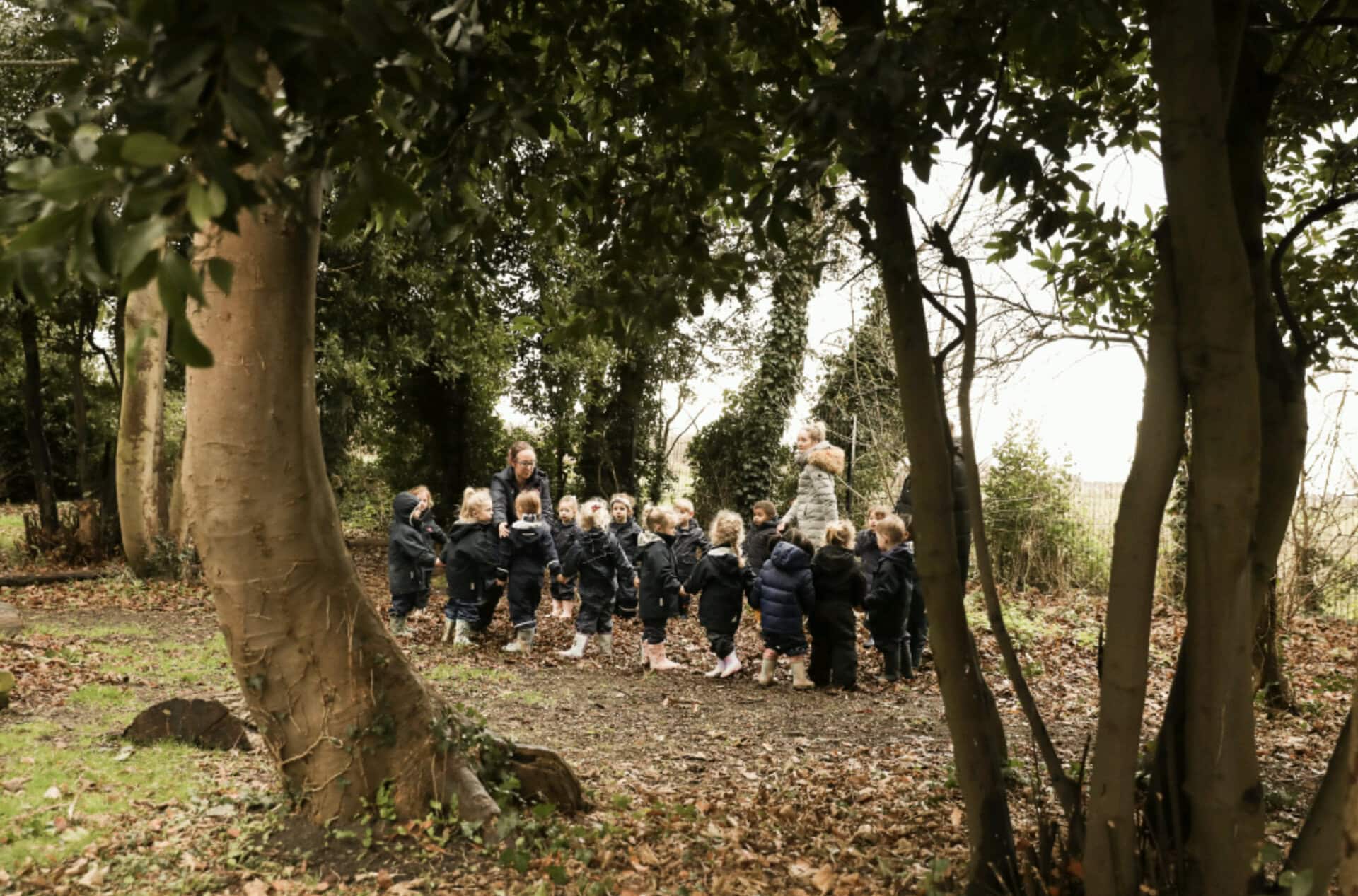
Forest school activities: what a typical woodland session actually looks like
25/09/26
We believe children learn best when they feel safe, secure, and celebrated. Our dedicated staff provide a strong network of support, ensuring every child feels valued.
Read

How Prep School Prepares Children for Selective Senior School Entry
25/08/26
We believe children learn best when they feel safe, secure, and celebrated. Our dedicated staff provide a strong network of support, ensuring every child feels valued.
Read