Published on
25th August 2026
Read time
13 mins
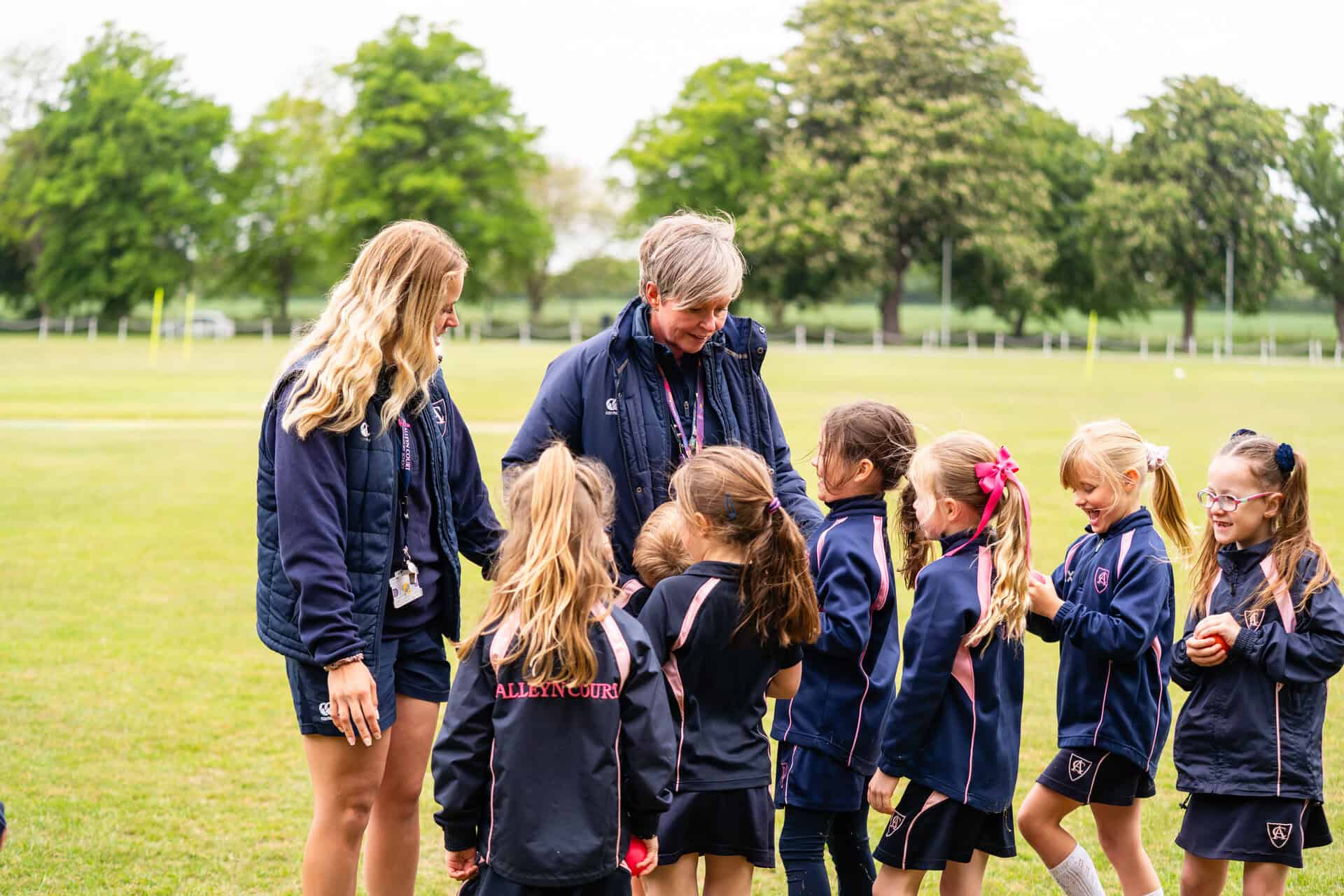
Choosing a prep school is often the first step towards securing a place at a selective senior school. Prep schools specifically prepare your child academically, socially, and emotionally for the demands of senior school entry, from building core skills in maths and English to guiding you through the assessment process itself. If you are weighing up how a preparatory school might benefit your child's future, understanding this preparation process will help you make an informed decision.
Getting into senior schools, particularly the more selective independent schools, requires more than good grades. You will need to understand entry routes, entrance exams, interviews and application deadlines, and a good prep school will support you through each stage. Alongside academic preparation, prep schools help your child develop the confidence and independence expected once they move into a senior school environment.
Key Takeaways
- A good preparatory school lays the groundwork for the academic standards expected at senior school.
- Understanding entry points, assessments and application timelines makes the transition to senior school smoother.
- Preparing your child emotionally and socially is just as important as academic readiness when moving to a new school.
Building the Academic Foundation for Senior School
Selective senior school entry depends on more than exam technique. Prep schools build academic rigour through core subject mastery, independent thinking skills, and teaching that responds to how your child actually learns.
Strengthening English, Maths and a Broad Curriculum
English and maths form the backbone of prep school academic foundations. Your child will work on grammar, comprehension, and written expression alongside number fluency, reasoning, and problem-solving in mathematics.
These subjects are taught with the demands of entrance exams in mind, but not at the expense of breadth.
A broad curriculum matters too. Alongside core subjects, your child typically studies:
- Sciences
- Humanities (history, geography)
- Languages
- Creative subjects (art, music, drama)
This breadth ensures your child arrives at senior school with wide-ranging knowledge, not narrow exam preparation. Selective senior schools often look for pupils who can discuss ideas beyond the syllabus, and a broad curriculum gives your child that scope.
Developing Critical Thinking, Problem-Solving and Study Skills
Academic foundations extend beyond subject knowledge into how your child approaches learning itself.
Prep schools emphasise critical thinking and problem-solving, encouraging your child to question, analyse, and reason through challenges rather than simply memorise facts. Senior school entry exams and interviews often test reasoning ability alongside subject knowledge.
Teachers introduce independent learning gradually. Your child will manage homework, organise their own notes, and take increasing responsibility for revision as they progress through the prep years.
Study skills form part of this preparation too:
- Time management
- Note-taking techniques
- Exam technique and revision planning
By the time your child sits senior school entrance assessments, these skills should feel familiar rather than new.
Using Small Classes and Individual Attention to Support Progress
Smaller class sizes allow teachers to track your child's progress closely and adjust their approach when needed.
Individual attention means teachers address gaps in understanding early. In a smaller class, your child is more likely to receive direct feedback on written work, be asked questions in class discussion, and get support with specific weaknesses in maths or English.
Teachers pace lessons according to your child's needs rather than a fixed curriculum timetable, which is particularly useful in the final years before senior school entry, when exam preparation intensifies.
Supporting SEND and Different Learning Needs
Academic foundations must work for every child, including those with special educational needs (SEND or SEN).
A SENCo (Special Educational Needs Coordinator) identifies needs, arranges assessments, and coordinates support across subjects. This might include structured literacy support for dyslexia, additional time for processing tasks, or tailored strategies for concentration and organisation.
Staff review your child's SEND support plan regularly and adjust it as they progress toward senior school entry. Many selective senior schools also offer access arrangements for pupils with diagnosed needs, such as extra time in exams, so early identification and support at prep school stage can directly benefit your child during the entrance assessment process.
Navigating Entry Routes, Assessments and Applications
Getting your child into a selective senior school depends on choosing the right entry point, understanding what each exam actually tests, and preparing well in advance. The process involves several stages, and knowing what to expect at each one helps you support your child without unnecessary pressure.
Choosing Between 11+ and 13+ Entry
The main decision is whether your child sits the 11+ at the end of year 6 for year 7 entry, or the 13+ at the end of year 8 for year 9 entry.
This choice often depends on your prep school's structure. Some prep schools finish at 11, which makes 11+ entry the natural route. Others run through to 13, feeding into common entrance exams or ISEB pre-tests taken earlier in year 8.
Consider your child's development too:
- 11+ entry suits children who are academically ready earlier and thrive in a larger senior school environment sooner.
- 13+ entry gives an extra two years of maturity, pastoral support and skill-building before a major transition.
Your child's current school will usually guide you towards the route that fits their timeline and cohort.
Understanding Entrance Exams and Pre-Tests
Most 11+ exams test English, maths, verbal reasoning and non-verbal reasoning. Formats vary between schools, so check requirements early rather than assuming all papers look the same.
For 13+ entry, many senior schools now use the ISEB Common Pre-Test, sat online in year 6 or year 7. This shift means preparation often needs to start earlier than families expect.
Common entrance exams still exist for some schools and cover core academic subjects in more depth. Your prep school will typically explain which papers apply and when they're scheduled.
Familiarity with the format matters as much as raw ability. Timed practice papers help your child manage pacing and reduce exam-day surprises.
Preparing for Interviews, Scholarships and School Visits
Interviews are a standard part of senior school entrance alongside written exams. Some schools interview every candidate; others only interview those who clear a minimum exam threshold.
Preparation should focus on natural conversation rather than rehearsed answers. Encourage your child to talk about their interests, reading habits and activities with genuine enthusiasm.
Scholarship candidates usually face separate, more demanding papers set by the individual school. If you're considering this route, ask each school directly about their specific requirements, as processes differ considerably.
Attending open days and open mornings before applying gives you and your child a realistic sense of a school's atmosphere. These visits also help your child form their own opinions about where they'd like to go, which matters when interview panels ask why they've applied.
Working With Families to Choose Suitable Destinations
Selecting senior school destinations works best as a collaborative process between you, your child and their current teachers. Prep school staff have direct experience of where past pupils have thrived and can offer honest, informed opinions.
Always identify a realistic fallback school alongside your first choice. Oversubscription is common at popular selective schools, so having a second option you're genuinely happy with reduces pressure on a single outcome.
Base your shortlist on your child's personality and learning style, not just league tables or reputation. A school that suits one child may not suit another, even within the same family.
Keep communication open with your child throughout. Involving them in visits and discussions helps them feel ownership over the decision, which supports confidence during exams and interviews alike.
Developing Confidence, Independence and Readiness for Change
Selective senior school entry demands more than academic preparation. Your child also needs the confidence, independence and emotional resilience to manage a new environment, unfamiliar routines and greater personal responsibility.
Building Organisation, Responsibility and Time Management
Prep school gives you the opportunity to build organisational habits before senior school expectations increase.
You will likely see homework introduced gradually, with pupils encouraged to plan their own workload rather than relying on constant reminders. Time management is taught in practical ways, such as using diaries, planners or checklists.
Responsibility grows through small, everyday tasks: packing your own bag, remembering kit for sport or music lessons, and meeting deadlines without prompting.
By the time senior school entry approaches, you should be managing a more demanding timetable with less supervision, which reduces the shock of moving to a larger, subject-specialist setting.
Supporting Emotional Wellbeing and Pastoral Adjustment
Pastoral care plays a central role in preparing you for change.
Form tutors, pastoral leads and, in many schools, dedicated wellbeing staff monitor emotional wellbeing alongside academic progress. This support helps you manage the pressure that can come with entrance exams, interviews or new social settings.
Resilience grows through structured opportunities to face setbacks, such as not making a team or finding a subject difficult, with guidance on how to respond constructively.
Pastoral support also includes clear communication between staff and parents, so concerns are addressed early rather than allowed to grow into larger difficulties during the transition period.
Growing Social Confidence Through School Life and Activities
Social confidence develops through regular exposure to group activities and shared responsibility.
Sport, music, drama and art provide structured settings where you learn to cooperate, compete and perform in front of others. A house system often reinforces this, giving you a sense of belonging beyond your immediate class group.
Outdoor education adds another layer, testing teamwork and problem-solving outside the classroom.
Leadership roles, such as prefect duties, team captaincy or peer mentoring, allow you to practise responsibility for others. These experiences directly support social development, helping you feel prepared for the wider social demands of a new secondary school, including making friends outside your existing peer group.
Preparing for Day and Boarding Environments
Senior school entry may involve moving from a day school to a boarding environment, or continuing as a day pupil in a larger setting.
Prep schools increasingly offer flexible arrangements, including flexi boarding or weekly boarding, to introduce you gradually to living away from home. Full boarding requires a further step in independence, covering personal organisation, routine and self-care.
| Arrangement | Typical Focus |
|---|---|
| Day school | Balancing home and school routines |
| Flexi boarding | Short, planned stays to build familiarity |
| Weekly boarding | Extended independence with regular home contact |
| Full boarding | Complete daily self-management |
This preparation supports a steadier transition into senior school, sixth form and, where offered, the IB, where independent study becomes increasingly important.
Frequently Asked Questions
Below are answers to common questions about how prep schools prepare pupils for entry into selective senior schools, covering assessments, subject focus, examinations, interviews and the choices you'll need to make along the way.
How do prep schools prepare pupils for selective senior school entrance assessments?
Prep schools structure their curriculum around the demands of senior school entrance exams from an early stage. Teaching typically becomes more focused in the final two years before your child sits assessments, with regular practice papers and timed tests introduced gradually.
Staff also track individual progress closely, adjusting pace and support as needed. Many schools build mock exam sittings into the school calendar so your child becomes familiar with exam conditions before the real assessments.
What subjects and skills are emphasised in preparation for senior school entry?
Maths, English and verbal or non-verbal reasoning receive particular attention, as these form the core of most entrance assessments. Some prep schools also teach Latin or classical subjects, since certain senior schools expect a grounding in these areas.
Beyond specific subjects, your child will work on written expression, comprehension and problem-solving under time pressure. Independent study habits and the ability to organise homework are also developed, as these become essential once your child moves to senior school.
How do prep schools support children with 11+ and 13+ entrance examinations?
For 11+ candidates, prep schools often provide targeted revision sessions and past papers specific to the senior schools your child is applying to. Teachers usually advise on which schools suit your child's strengths and pace the preparation accordingly.
For 13+ entry, preparation tends to be more extended, often building towards Common Entrance or ISEB pre-tests taken in earlier years. Your child's school typically liaises directly with senior schools to understand what each assessment requires.
Do prep schools provide interview practice for selective senior schools?
Most prep schools run mock interviews to help your child feel prepared for this part of the admissions process. Staff members conduct practice sessions, discuss likely questions, and give feedback on how your child comes across.
Some schools also cover practical matters, such as appropriate dress, body language and how to talk about interests and achievements confidently.
How do prep schools help parents choose the right selective senior school?
Staff usually offer guidance based on your child's academic ability, personality and interests, drawing on years of experience placing pupils at various senior schools. Many prep schools hold information evenings or one-to-one meetings to discuss suitable options with you directly.
You'll often receive advice on realistic choices, including which schools your child is likely to be a strong candidate for.
What is the difference between preparing for grammar schools and independent senior schools?
Grammar school entry usually focuses heavily on verbal reasoning, non-verbal reasoning, maths and English, using standardised formats such as the CEM or GL assessments. Preparation concentrates on exam technique and speed, since these tests are often multiple-choice and strictly timed.
Independent senior schools may set their own bespoke entrance papers alongside interviews, and some ask for subjects like Latin or French. Your child's prep school typically tailors preparation depending on which route you pursue, since the skills and exam formats required can differ considerably.
Latest news
View all blogs

Private school fees in Essex: what they include and how to think about value
25/09/26
We believe children learn best when they feel safe, secure, and celebrated. Our dedicated staff provide a strong network of support, ensuring every child feels valued.
Read
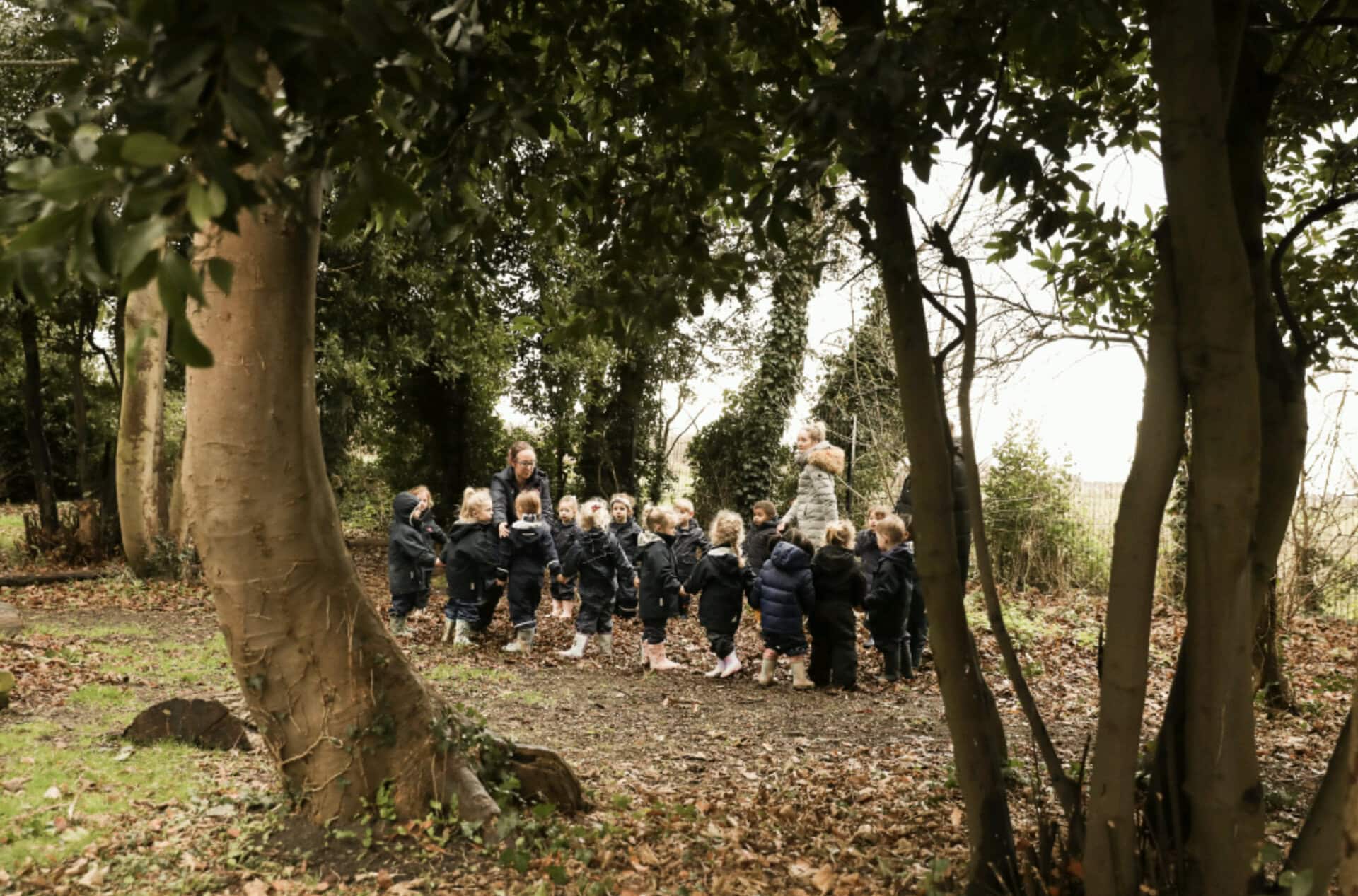
Forest school activities: what a typical woodland session actually looks like
25/09/26
We believe children learn best when they feel safe, secure, and celebrated. Our dedicated staff provide a strong network of support, ensuring every child feels valued.
Read

How to Help Your Child Settle Into a New School Year: Prep Tips
25/08/26
We believe children learn best when they feel safe, secure, and celebrated. Our dedicated staff provide a strong network of support, ensuring every child feels valued.
Read