
Published on
25th September 2026
Read time
7 mins
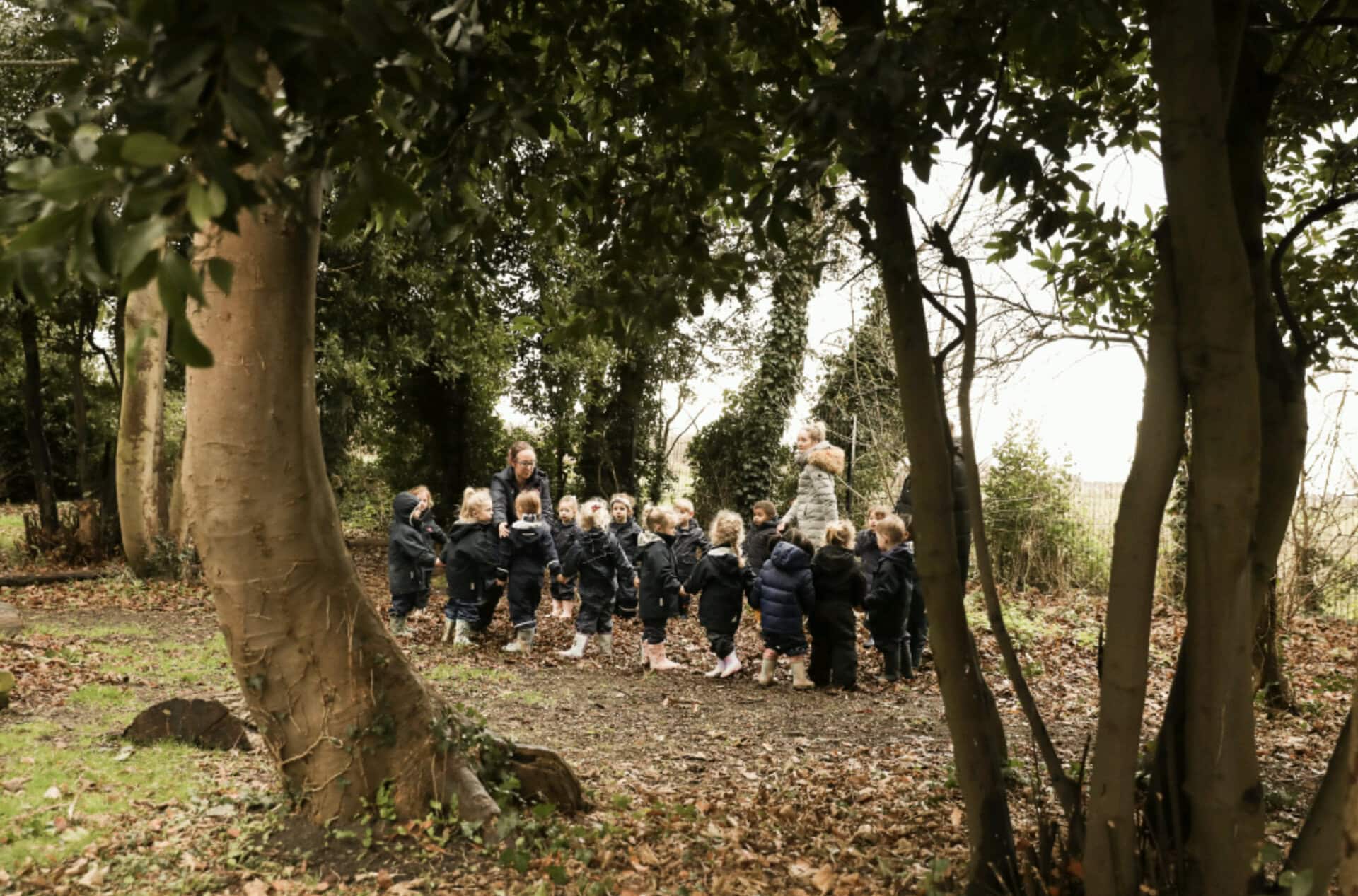
Forest School gives children time to explore, notice and learn in a natural setting. For parents, it can help to picture what that means in practice: what might children do, who leads a session, and how does the experience change as they grow?
At Alleyn Court, Forest School is part of the curriculum, with timetabled sessions led by qualified practitioners. The programme is child-led and nature-based, so activities can respond to children’s interests and the environment around them. There is no single script for every session, but there are plenty of ways for children to get involved.
What is Forest School at Alleyn Court?
Forest School is a longer-term approach to outdoor learning, rather than simply taking a lesson outside once. Children return to a natural space over time, giving them opportunities to explore it, become familiar with it and follow their curiosity.
A woodland, garden or pond can prompt all sorts of questions. What lives under a log? Which leaves have changed colour? How could we build a shelter that stays standing? A Forest School leader helps children explore these questions, learn practical skills and work within clear boundaries.
Alleyn Court’s Outdoor Learning and Forest School programme includes a dedicated site, timetabled lessons and qualified practitioners. Sessions are tailored to children’s interests and make use of the school’s outdoor environment, including its pond.
What activities might children try?
Activities vary with children’s ages, interests, the season and the conditions outside. A session could include one activity in depth or several chances to explore and create.
Nature hunts and discovery
Children might look for leaves, insects or other signs of wildlife. They can compare what they find, talk about patterns and notice how the environment changes. An ordinary walk through the woodland can become a chance to ask questions and look more closely.
Pond-dipping
The pond can become a living classroom. With an adult guiding the activity, children can observe aquatic life and begin to notice how different organisms fit into a habitat. The emphasis is on careful discovery and respect for the environment.
Building a den
Working together on a den gives children a practical challenge. They can decide what they are trying to make, gather suitable natural materials and see what happens when they put their ideas into practice. If a design needs adjusting, they can try again.
Making with natural materials
Outdoor spaces invite open-ended play. Children might use an outdoor kitchen to make mud pies, arrange natural materials into a picture or turn a found object into the starting point for a story. The focus is on experimenting and making choices, not producing identical finished results.
Learning to use tools safely
Some Forest School activities introduce children to tools and practical tasks. At Alleyn Court, safe tool use is included as a supervised activity. Fire lighting is also listed as an activity, under expert supervision. These are introduced with guidance appropriate to the session and the children taking part.
What might a Forest School session feel like?
No two sessions need to look exactly alike. A leader may introduce a prompt or practical challenge, then give children space to explore their ideas, with support available when they need it. The weather, the place and the questions children bring can all shape what happens.
Some children may be drawn to investigating the pond or searching for minibeasts; others may want to build, make or work with a friend. Over time, children can return to familiar places and notice how they have changed. This sense of continuity is part of what makes an ongoing outdoor programme different from a one-off activity.
How do activities change with age and the seasons?
The same outdoor space can offer different experiences to different children. Younger pupils may be drawn to sensory discovery: watching, collecting, touching and asking questions. Older pupils may be ready to plan a den, solve a team challenge or take more responsibility for a practical task.
The seasons bring their own opportunities. Children might notice new growth in spring, explore pond life in warmer months, collect and compare leaves in autumn, or look for signs of wildlife in winter. The conditions and interests of the group help shape what is possible on the day.
How are children supported to explore safely?
Forest School combines freedom to explore with adult guidance. Alleyn Court’s sessions are led by qualified practitioners, and activities such as tool use and fire lighting take place under supervision. Children can be encouraged to try new things while learning to follow the routines and guidance for each activity.
If you are exploring a Forest School provision, it is reasonable to ask how activities are adapted for different ages, how boundaries are explained and what happens when the weather changes. These details help you understand how children are supported to explore their surroundings.
What should children wear for Forest School?
Comfortable layers, sturdy footwear and clothing suitable for getting outdoors are usually a good starting point. Depending on the weather, waterproofs may be useful. Families should follow the school’s own guidance, as clothing needs can vary with the activity and conditions.
A little mud on a sleeve or a leaf in a pocket can be part of the experience: children are learning by getting close to the natural world.
What can children take away from a session?
Forest School gives children room to follow a question, test an idea and share discoveries with others. A child might come back talking about a minibeast they found, the shelter they helped build or something they noticed by the pond.
Alleyn Court connects outdoor learning with curiosity, courage and compassion. The emphasis is on giving children space to explore, take on manageable challenges and learn alongside one another. For a closer look at the wider role of outdoor learning, read our article on the benefits of outdoor learning and Forest School.
Frequently asked questions
What activities do children do at Forest School?
Activities can include nature hunts, pond-dipping, den-building, making with natural materials and supervised practical tasks. They vary with children’s interests, age and the setting.
Do children go to Forest School in wet weather?
Outdoor sessions depend on the conditions and the school’s guidance. Ask the school what children should wear and how it adapts sessions when the weather changes.
Do children need special equipment?
The school can advise on suitable clothing and footwear. In general, comfortable outdoor layers and sturdy shoes are useful.
Is Forest School only for younger children?
No. Outdoor learning can be adapted for different ages, with activities shaped around children’s development and interests.
Come and explore
Seeing the setting can help you picture outdoor learning as part of a child’s school week. Find out more about Alleyn Court’s Forest School programme or arrange a visit to explore the school for yourself.
Latest news
View all blogs

Private school fees in Essex: what they include and how to think about value
25/09/26
We believe children learn best when they feel safe, secure, and celebrated. Our dedicated staff provide a strong network of support, ensuring every child feels valued.
Read

How to Help Your Child Settle Into a New School Year: Prep Tips
25/08/26
We believe children learn best when they feel safe, secure, and celebrated. Our dedicated staff provide a strong network of support, ensuring every child feels valued.
Read
How Prep School Prepares Children for Selective Senior School Entry
25/08/26
We believe children learn best when they feel safe, secure, and celebrated. Our dedicated staff provide a strong network of support, ensuring every child feels valued.
Read