
Published on
16th February 2026
Read time
12 mins
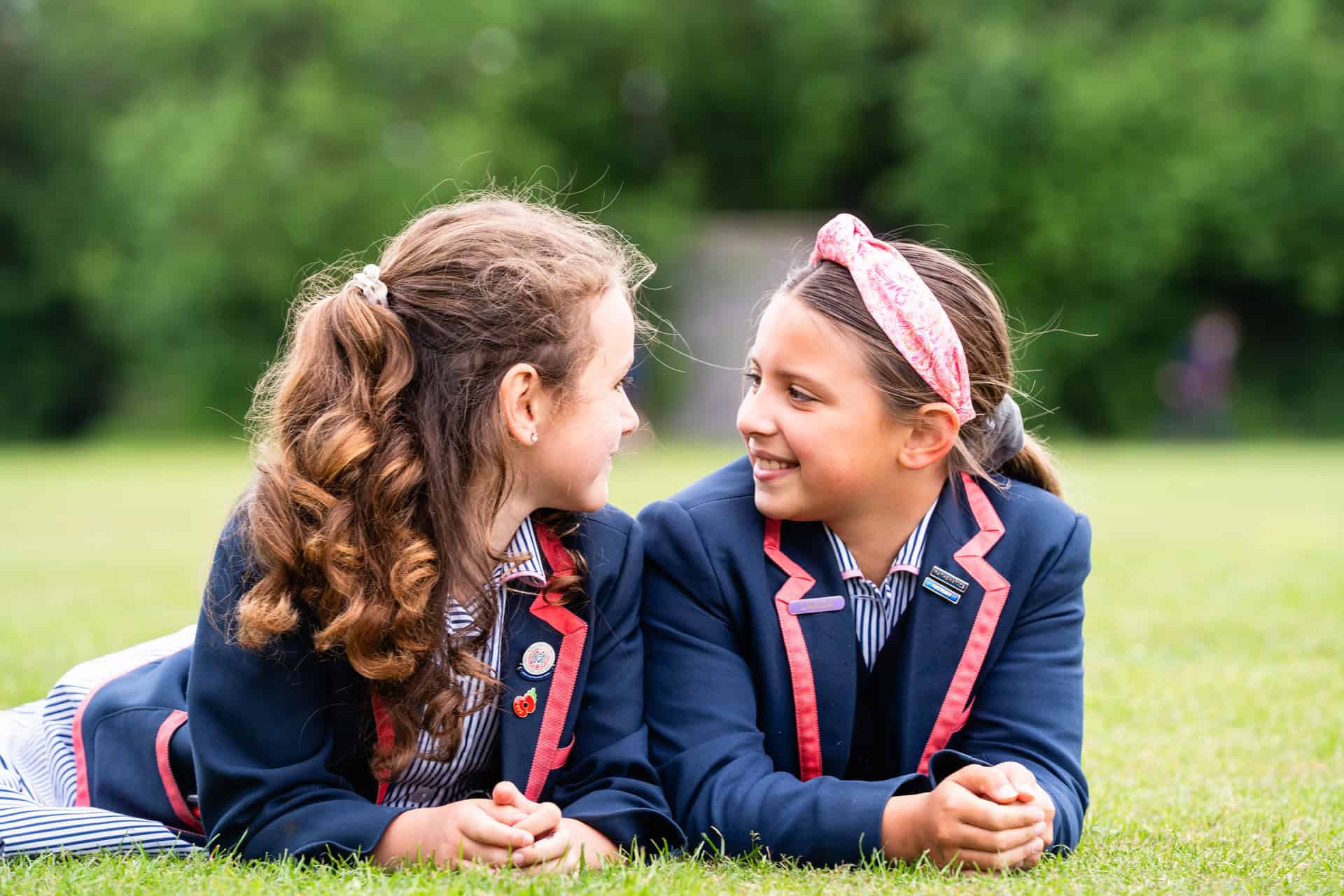
When children learn to show kindness, they build skills that affect every part of their lives, from how they make friends to how they handle difficult emotions. Teaching kindness helps children develop stronger relationships, better emotional health and practical skills they will use throughout their lives.
Understanding why kindness matters is the first step towards nurturing it in your children. Kindness provides both physical and mental health benefits, including the release of endorphins that boost mood and mental wellbeing. Here, we'll explore the specific benefits of kindness and give you practical ways to encourage compassionate behaviour at home.
Why kindness in children is important
First, let's take a look at why kindness in children is important. Practising kindness not only benefits your child and their emotional wellbeing, but it also boosts others around them too.
1. Promoting strong social bonds and healthier relationships in children
When your child practices kindness, they build stronger connections with their peers. Kindness is a core skill for social bonds that helps children form meaningful friendships.
Children who show kindness develop better communication abilities. They learn to listen to others and understand different points of view. These skills help them work well with classmates and family members.
Friendships become stronger when the participants practise kindness, providing emotional support during tough times. Your child will find it easier to make friends when they treat others with care and respect.
Kind behaviour also strengthens relationships through strengthening empathy. When your child considers how others feel, they become better at resolving conflicts. They learn to respond to friends' needs in helpful ways.
Being kind helps children develop trust with others. This trust forms the foundation for lasting friendships that support them throughout their lives.
2. Nurturing emotional intelligence and empathy from an early age
When you teach your child to be kind, you're helping them develop emotional intelligence. This means they learn to recognise and understand their own feelings and the feelings of others.
Practising kind behaviour helps children develop the ability to respond to emotions in healthy ways. Your child begins to notice when someone is upset or needs help. They start to think about how their actions affect other people.
Early childhood is the most formative stage for learning values that shape how children interact with the world. Young children who learn kindness early on develop empathy naturally through daily interactions.
When we encourage kind actions and kind words, your child learns important social skills. These include active listening, patience and considering others' perspectives. Your child becomes better at understanding why people feel the way they do.
Young people who regularly help, share or comfort others build stronger emotional awareness. They learn to care about people's wellbeing beyond their own needs. This foundation supports their relationships throughout their entire life.
3. Improving communication skills
When your child practises kindness, they naturally become better at expressing themselves and listening to others. Effective communication forms the foundation for empathy and understanding, which are essential for resolving disagreements.
Kind children learn to consider other people's feelings before reacting. This helps them approach conflicts with patience rather than anger. Teaching children to manage conflict constructively gives them tools they'll use throughout their lives. They learn to find solutions that work for everyone, making them more considerate of others.
Children who develop these skills early show improved academic performance and better relationships as they grow older. They're also less likely to get involved in serious conflicts as they become caring adults.
Active listening, empathy and positive communication skills empower your child to handle disagreements with grace. These abilities transfer to workplace situations and community involvement later in life.
When we encourage kindness, we teach child practical skills for navigating everything from small squabbles with siblings or classmates to bigger challenges they'll face in the future.
4. Reducing stress and improving mental health
When your child practises kindness, their body responds in helpful ways. Acts of kindness can lower cortisol, the hormone linked to stress. This means kindness serves as a natural buffer against chronic stress.
Simple kind actions like sharing or helping others release feel-good chemicals and strengthen social connections. These positive feelings boost your child's mood and confidence.
Research shows that kindness can improve happiness, reduce anxiety, and increase feelings of social connection. Children who regularly engage in kind acts often experience better emotional wellbeing overall.
Helping children develop kindness equips them with valuable emotional tools to manage difficult feelings. When your child is kind to others, they build resilience against stress and develop healthier ways to cope with challenges.
These mental health benefits start early and can last throughout their lives. By encouraging kindness now, you're giving your child skills that protect their wellbeing as they grow.
How to nurture kindness in children
Now that we know why children learning how to be kind is so important, let's look at some practical strategies for nurturing kindness in children and creating a generation of empathetic and thoughtful individuals.
1. Model kind behaviour consistently to encourage children to emulate it
Children learn most effectively by watching the adults around them. When you demonstrate kindness in your daily actions, your children notice and copy what they see.
The behaviour of trusted adults sets the foundation for how your children will interact with others. Modelling positive behaviours impacts children's understanding of what is acceptable and shapes their social development.
Using polite language like "please" and "thank you" in everyday conversations and showing patience when feeling stressed or frustrated is a good way to model positive behaviour. Similarly, helping others when they need support and express genuine gratitude for kind acts shows children the right way to behave.
After difficult moments, talk about your feelings and how you handled them. This teaches children that kindness includes managing emotions in healthy ways. The key is consistency; young people need to see kind behaviour repeatedly to understand it as normal rather than exceptional.
This is put into practice by all staff at Alleyn Court, as they consistently model the behaviours they want to see in our pupils. Whether that's treating others with respect or handling disagreements considerately, our teachers act as role models for our students.
2. Encourage children to practice gratitude as a foundation for kindness
Gratitude helps children notice the good things in their lives and appreciate what others do for them. When young people feel thankful, they become more aware of how people help them. This awareness makes them want to help others in return.
You can start teaching gratitude to your children through simple daily activities. Ask your child to share one thing they're grateful for at bedtime or during meals. This habit trains them to look for positive moments throughout their day.
Create opportunities for your child to express thanks and practise good manners. Help them make thank-you cards for teachers or family members. Recognise when others show kindness to your family.
At Alleyn Court, gratitude is central to our ethos and we encourage our pupils to express it whenever they see fit. Whether that's thanking a peer for their kindness or expressing gratitude for teachers when they find certain learning topics difficult, our pupils appreciate every positive moment.
3. Use role play to teach empathy and understanding
Role-playing provides hands-on opportunities for children to step into different perspectives. You can create simple scenarios where your child pretends to be a new student at school or someone who lost their favourite toy.
These activities work because they engage both emotions and imagination. Your child learns to recognise feelings in others whilst practising kind responses in a safe environment.
Activities such as role-playing help children understand and practise kindness in various situations. You don't need special materials or training. Start with everyday situations your child encounters. This regular practice strengthens your child's ability to understand others' feelings in real-life situations.
4. Create daily opportunities for children to help others in small ways
Small acts of kindness build strong habits over time. You can start by asking your child at breakfast, "How will you show kindness today?" This simple question helps kids build kind habits through daily actions.
Look for natural moments throughout your day. Your child can hold the door for someone at school, help carry shopping bags or set the table for dinner. These tasks teach responsibility.
Simple activities like sharing toys with siblings, thanking the bus driver or helping a classmate with homework all count. The key is consistency rather than size.
5. Praise kind actions specifically to reinforce positive behaviour
When your child does something kind, tell them exactly what they did well. Instead of saying "good job," try "I noticed you shared your toys with your friend. That was very thoughtful."
Specific praise helps children understand which behaviours to repeat. When praised for acts of kindness, sharing, or cooperation children are more likely to repeat these behaviours.
Focus on describing the action and its positive effect. You might say, "You helped your brother tie his shoes. That made getting ready much easier for him." This connects their kind act to its real impact on others.
Praising children in ways that emphasise their altruistic character can make them more likely to see themselves as good, helpful people. Try saying, "You're such a caring person" after they show kindness.
Frequently asked questions
Children who learn kindness early develop stronger emotional skills and healthier relationships that benefit them throughout their lives. Parents can shape these behaviours through consistent modelling and practical teaching strategies.
What are the long-term benefits of nurturing kindness in children?
Kind children grow into adults with better social connections and stronger relationships. Teaching kindness helps develop empathy and emotional regulation that become essential life skills.
As children mature, their habits of kindness connect to deeper thoughts and feelings. These kind thoughts and connections build lasting social skills and a nuanced sense of identity.
Kind children also experience better mental health outcomes. Kindness reduces stress whilst increasing happiness, which contributes to overall wellbeing into adulthood.
How can parents model kindness to influence their children's behaviour?
Parents who respect others naturally teach their children to do the same. If you want to raise compassionate children, you need to model these skills yourself through your daily actions.
Consider how you speak to the people you love at home. After moments of frustration or anger, talk about your feelings and demonstrate respectful communication.
Your interactions with shop assistants, neighbours and strangers show your children how to treat others. Children notice these behaviours and copy what they see far more than what they hear.
What are effective strategies for teaching empathy to young children?
Help your children find words to describe kindness experiences. Ask them how they felt when someone was kind to them or how they think others feel in different situations.
Point out emotions in everyday moments. When you see someone upset, talk about what that person might be feeling and why.
Encourage your children to consider different perspectives during conflicts. Ask questions like "How do you think your friend felt when that happened?" to build their understanding of others' feelings.
Why is it important to praise altruistic behaviour in children?
Praising kind acts reinforces that these behaviours matter. When you acknowledge your child's compassion, you show them that kindness is valued.
Specific praise works better than general comments. Instead of saying "good job," try "I noticed you shared your toys with your brother, and that was very thoughtful."
Recognition helps children connect their actions to positive outcomes. This connection strengthens their motivation to act kindly again in the future.
How can caregivers address bullying and encourage compassion?
Talk openly about bullying and its impact on others. Help your children understand that unkind behaviour hurts people and affects their wellbeing.
Teach your children to stand up for others who are being treated poorly. Give them specific phrases they can use, such as "that's not kind" or "let's include everyone."
Create a home environment where respect is non-negotiable. Address unkind behaviour immediately and explain why it's unacceptable, then discuss kinder alternatives.
What role do social interactions play in developing kindness in early childhood?
Kindness is contagious, spreading from one person to another through observation and practice. Children learn kindness by watching others and experiencing it themselves.
Social interactions give children opportunities to practise empathy and compassion. Playing with others teaches them to share, take turns and consider different viewpoints.
Children who experience kindness develop stronger relationships and better communication skills. These early social experiences shape how they interact with others throughout their lives.
Latest news
View all blogs
Private school fees in Essex: what they include and how to think about value
25/09/26
We believe children learn best when they feel safe, secure, and celebrated. Our dedicated staff provide a strong network of support, ensuring every child feels valued.
Read
Forest school activities: what a typical woodland session actually looks like
25/09/26
We believe children learn best when they feel safe, secure, and celebrated. Our dedicated staff provide a strong network of support, ensuring every child feels valued.
Read
How to Help Your Child Settle Into a New School Year: Prep Tips
25/08/26
We believe children learn best when they feel safe, secure, and celebrated. Our dedicated staff provide a strong network of support, ensuring every child feels valued.
Read