
Published on
2nd July 2026
Read time
15 mins

Choosing a private school in Essex feels personal and practical at once: you want a warm, nurturing environment where your child is known and flourishes, backed by clear evidence of academic progress and successful senior school destinations. Think about the classroom outcomes and inspection reports alongside the everyday experience, how teachers know each child, the pastoral support on offer, and the sense of belonging that turns school into more than just lessons. Schools such as Alleyn Court in Southend are often held up as the benchmark for that blend: a happy, close-knit environment that still delivers strong, provable results.
Prioritise schools that combine proven academic pathways (exam results, 11+ success and university destinations) with a strong culture of pastoral care and enriching facilities so your child gains both confidence and credentials. As you explore options across Southend, Chelmsford, Colchester, Brentwood and the west of the county, you'll weigh culture, co‑curricular breadth, location and fees, this guide will help you focus on the factors that matter most and ask the right questions at visits.
Academic Credentials and Progression
You should expect clear evidence of academic standards, measured progression and defined next-step pathways. Look for measurable outcomes, inspection grades and subject strengths that match your child's ambitions.
Exam Results and Ofsted or ISI Ratings
Exam results give a snapshot of attainment; inspection reports show quality and consistency. Check GCSE and A‑level pass rates and value‑added scores where available. Many Essex independents publish A*–A and 9–7 percentages; compare these alongside the school's average points per A‑level to see how pupils perform academically.
Inspecting the ISI (Independent Schools Inspectorate) or Ofsted report is crucial. ISI reports for schools such as Felsted, Brentwood and Chigwell will highlight teaching quality, curriculum breadth and safeguarding. Some prep schools, Alleyn Court, St Mary's Colchester and Colchester Prep & High School among them, cite high 11+ pass rates and positive ISI comments; use those as evidence of preparation for selective senior schools.
Ask for breakdowns by cohort and subject. Look for consistent upward trends rather than one-off peaks. Also request contextual data: entry profiles, scholarship numbers and the proportion of pupils taking exams like the 11+ or Common Entrance.
Pathways to Senior Schools and Universities
You want clear, proven routes from the school to senior destinations and universities. Many Essex prep schools feed specific senior schools: for example, Felsted and Brentwood often appear as destinations from local prep and senior partners, while a well-regarded south Essex prep like Alleyn Court has an established track record of pupils moving on to selective grammar and independent senior schools across the region. New Hall and Chigwell are established senior choices for families seeking strong A‑level outcomes and Oxbridge or Russell Group progression.
Examine published destinations over several years, not just headline names. Ask how many pupils secure places at selective grammar schools, independent boarding schools or top universities. Inquire about careers and university guidance: mock interviews, personal statement support and Oxbridge/medical prep are important for ambitious applicants.
Look at scholarship and bursary success too. Schools that regularly place pupils on academic or music scholarships demonstrate targeted preparation. If you expect boarding or external senior entry, check pastoral transition plans and how the school supports pupils during Year 6–7 moves.
Specialist Subject Provision
Subject-specific strength matters if your child has particular interests. Check whether the school offers A‑level choices in sciences, languages, humanities and arts, and whether they have dedicated facilities, labs at New Hall, music departments with recital spaces, or sports academies at Brentwood, for example.
Ask about specialist teachers and external examiner links. Schools such as Felsted and Chigwell typically advertise subject specialists and extension programmes for mathematics, sciences and languages. For younger pupils, see whether prep schools provide accelerated maths, language immersion, or sustained music tuition that leads to performance or scholarship routes.
Also confirm enrichment: clubs, competitions and residential trips that deepen subject engagement. Practical provision, well‑resourced labs, specialist art studios or a drama theatre, can substantially affect progression and university applications in those fields.
School Culture, Ethos, and Support
You should expect a clear statement of values, visible routines that support wellbeing, and documented support systems that match your child's needs. Look for practical evidence, staffing ratios, external accreditation, and examples of how the school turns values into day-to-day practice.
Pastoral Care and Pupil Wellbeing
Ask how the school organises pastoral care: tutors, house systems, or year-team mentors. The best schools make a point of ensuring every child is genuinely known, not just supervised. Alleyn Court, for instance, is regularly praised for this in its own inspection reports and family feedback, alongside other well-regarded settings like Holmwood House; check staff-to-pupil ratios and ISI or Ofsted comments on welfare when comparing schools.
Find concrete routines: daily registration, fortnightly wellbeing checks, and accessible counselling. Inspect whether the school holds regular parent–teacher meetings and provides written reports on social development as well as attainment.
Look for safeguarding clarity: designated safeguarding lead name, up-to-date training records, and a publicised behaviour policy. Schools with boarding or residential options, such as Widford Lodge and Gosfield School, should show night-time supervision arrangements and medical cover.
Ask for examples of individual support plans and logs of interventions, so you see how the school tracks progress after concerns are raised.
Approaches to Learning and Inclusivity
Probe how the school adapts teaching for different learners and whether it has a published SEND policy. You want named learning-support staff, screening regimes for literacy or numeracy, and clear referral pathways.
Examine curriculum flexibility: do schools offer small-group withdrawal, in-class support, or differentiated outcomes? Malden Court and St Cedd's may present distinct pathways toward 11+ or scholarship routes, ask for sample timetables and group sizes.
Check evidence of cultural inclusivity: celebration of diverse backgrounds, anti-bullying procedures, and staff training in unconscious bias. Request recent examples of reasonable adjustments and outcomes for pupils with EHC plans so you can judge effectiveness rather than intention.
Preparation for 11+ and Beyond
Clarify how the school balances exam preparation with broader development. Reliable programmes include weekly 11+ clinics, mock exam schedules, and named staff who liaise with senior schools.
Ask for 11+ pass rates, typical senior-school destinations, and subject-specific support; top prep schools such as Alleyn Court are known for publishing this kind of detail openly, giving parents a clear sense of where preparation actually leads.
Look for structured transition support in Year 6: interview practice, senior-school visits, and personalised school-selection advice. Also check long-term measures, GCSE/A-level destination trends or pastoral follow-up from alumni, so you can see whether the school prepares pupils for academic and social life beyond entrance tests.
Facilities, Co-Curricular Enrichment, and Environment
You should expect clear evidence that a school's buildings, activity provision and grounds will support your child's academic progress, wider development and day-to-day wellbeing. Look for specific facilities, a rich timetable of clubs and trips, and an environment that matches your family's priorities.
Campus and Facilities
Inspect tangible, verifiable assets: science labs with up-to-date equipment, dedicated art and DT studios, music practice rooms with soundproofing, and dependable IT provision across classrooms. Schools such as Forest School and Brentwood School advertise large campuses and specialist facilities; check that those facilities are accessible to the age group you're considering and not just for sixth formers. Some, like Alleyn Court, make a feature of generous grounds within a semi-rural setting, giving younger pupils space to explore alongside their more formal learning. Note sized playing fields, astro pitches and swimming pools, plus practical things like dining capacity, medical rooms and safe pick-up/drop-off areas.
Ask for recent maintenance records, the dates of major refurbishments, and ISI or Ofsted comments on health and safety. If a school touts theatre, equestrian or clay-pigeon facilities, confirm frequency of use and staff expertise. Small, well-kept sites like Littlegarth can offer excellent specialist rooms despite compact footprints; verify that timetabling gives every cohort fair access.
Sporting and Artistic Opportunities
Prioritise schools that combine structured, curriculum-linked sessions with optional clubs and competitive pathways. Check whether sports coaching is delivered by qualified staff or external coaches, and whether teams compete at county or national level; Brentwood School's strong sport reputation, for example, matters if you want high-level fixtures and pathways. For the arts, confirm availability of ensembles, drama productions, and peripatetic music lessons that lead to graded examinations.
Look for a published co-curricular timetable showing frequency, age ranges and extra costs. Good provision includes after-school clubs running at least three afternoons a week, regular school trips (local and residential) and clear routes to festivals or competitions. Ask about scholarships, leadership roles (house captain, arts prefect), and how the school tracks progress in non-academic activities, evidence of impact matters more than a long activities list.
Boarding Versus Day Options
Decide whether you need full, weekly, flexi or day-only provision and match that to the school's strengths. Schools with established boarding, such as Felsted and some nearby senior schools rather than every prep, provide structured study time, weekend activities and pastoral staff on site; check staff-to-boarder ratios, housemaster/mistress experience, and boarding inspection reports. Day schools like Alleyn Court and Coopersale Hall prioritise strong day routines, clubs and commuting arrangements; confirm the availability and supervision of after-school care.
If you favour a mixed model, ask how schools integrate boarders and day pupils socially and academically. Learn how transport is managed: regular school buses, pick-up zones and late-evening supervision affect family logistics. Finally, check mental-health provision and on-site nursing for both day and boarding pupils; these concrete supports influence safety and resilience far more than marketing statements.
Entry Requirements, Fees, and Location Considerations
You will weigh admissions tests, scholarship opportunities and likely fees alongside the practicalities of travel and catchment when deciding. Focus on what each school asks for, what the costs cover, and how the commute affects daily life and extracurricular access.
Admissions Process and Scholarships
Most Essex independent schools use staged entry: assessment, interview and reference checks. For prep-to-senior progression, expect internal assessments and a smooth transition route; for stand-alone schools such as Colchester Prep & High School or St Mary's School for Girls you should prepare for formal entrance tests at 7+, 11+ or 16+.
Academic assessments commonly test English, maths and reasoning; some schools add subject-specific or creative tasks. Interviews focus on fit and character rather than only scores.
Ask each school about on-the-day pass marks, offer timelines and waiting-list policies. Explore scholarships (academic, music, sport) and means-tested bursaries, find out application windows and whether awards reduce fees or provide full places.
Fee Structure and Financial Considerations
Annual day fees in Essex vary widely; check each school's 2026 published scale. Boarding options, where available, increase costs substantially; some senior schools in the county quote boarding fees above £30,000 a year.
Clarify what fees include: tuition, meals, books, exams, trips and after-school clubs often differ between schools. Ask for a sample invoice and extra-cost estimates (uniform, transport, extracurricular tours).
Investigate payment plans, sibling discounts and bursary eligibility. Request the school's latest ISI/Ofsted inspection grade and published outcomes (GCSE/A-level or 11+ success rates) to weigh value against price when comparing schools like Alleyn Court, Colchester Prep & High School and St Mary's.
School Location and Commute
Consider daily journey times, transport options and seasonal variations. Schools set in semi-rural sites may offer larger grounds and an outdoor curriculum but require reliable car or school-bus travel.
Check school-run bus routes, public transport links and safe drop-off points. Long commutes reduce time for prep, clubs and family routines; aim for predictable travel under 45 minutes where possible.
Factor local amenities and sixth-form partnerships too: proximity to senior schools you target can ease transition, while access to sports venues or theatres expands extracurricular choices.
Frequently Asked Questions
These answers focus on observable evidence you can check quickly: inspection reports, exam outcomes and specific pastoral measures. They balance the emotional markers of happiness and belonging with hard data you can verify before applying.
How can I tell whether a school will truly nurture my child's confidence and happiness, as well as their academic progress?
Look for concrete examples of how the school develops character, named programmes (peer mentoring, public-speaking timetables, resilience workshops) and routine events that let pupils try new roles. Ask for recent case studies or testimonials that name pupils' year groups and outcomes rather than vague praise. Schools like Alleyn Court, where "every child is known" is a genuine working principle rather than a slogan, are worth using as a comparison point when you're weighing up how well other schools back their warmth with substance.
Observe daily rhythms on a visit: are pupils encouraged to take part in assemblies, plays or teams, and do staff celebrate effort as well as attainment? Check ISI or Ofsted comments on pupil welfare and pupil voice summaries; inspectors often record how pupils describe their school life.
Request evidence of tracking for wellbeing alongside attainment, pastoral records, behaviour logs and progress reviews that show long-term trends. A school that measures happiness will be able to show how support and enrichment link to improved engagement and grades.
Which academic indicators should I compare, such as ISI inspection outcomes, 11+ results and senior school destinations, when shortlisting schools?
Use ISI inspection judgements for teaching quality, leadership and welfare as a baseline. Compare recent 11+ pass rates, scholarship numbers and the named senior schools pupils join in the past three years to judge academic pathways.
Look at GCSE or equivalent results for senior phases if relevant, and check cohort size for context; small cohorts can skew percentages. Ask for subject-level strengths and how the school supports late developers or those aiming for selective grammar or London day schools.
What questions should I ask about pastoral care, safeguarding and wellbeing to ensure every child is known and supported?
Ask how pupils are allocated to tutors and how often one-to-one reviews occur; request the tutor-to-pupil ratio. Find out what triggers a safeguarding referral and who leads safeguarding, including contact details and how incidents are logged and tracked.
Request examples of individual support plans and how the school involves families and external specialists. Ask what routine screening for wellbeing looks like, how the school monitors attendance, and how transitions (into year 7 or into sixth form) are managed.
How do I evaluate the breadth and quality of co-curricular provision (sport, music, drama and clubs) and its impact on children's development?
Request a current term timetable showing clubs, fixtures, rehearsals and competitions, and ask how many pupils participate each week. Look for named coaches, visiting examiners or partnerships with local arts organisations and sports clubs.
Ask for evidence of progression: festival results, performance reviews, house competition records or sports league placings over recent seasons. Check how the school measures impact, do they track skill development, leadership roles or external awards?
What should I look for when visiting a school, class sizes, teaching approach, learning support and the overall feel of the community?
Note average class sizes and whether lessons include small-group withdrawal for targeted help. Sit in on lessons where possible and observe teacher questioning, pupil talk time and the balance of direct instruction with independent work.
Meet the learning-support lead and request recent examples of how individual needs are met, including EHCP adaptations if relevant. Walk around communal spaces at changeover time to judge how pupils and staff interact; a confident, friendly community will feel warm without being chaotic.
How can I judge whether the fees represent genuine value, including what is included, any extras and available bursaries or scholarships?
Request a detailed fee schedule showing what is included (meals, trips, resources, exam fees, uniform) and a list of typical extras with estimated annual costs. Ask about the proportion of pupils receiving fee assistance, the criteria for bursaries and how scholarships affect school places.
Compare fees against the school's facilities and staffing levels: specialist teachers, per-pupil spending on sport and arts, and boarding-house provision where applicable. Check contract terms for notice periods and refundable deposits so you understand the full financial commitment.
Latest news
View all blogs

Private school fees in Essex: what they include and how to think about value
25/09/26
We believe children learn best when they feel safe, secure, and celebrated. Our dedicated staff provide a strong network of support, ensuring every child feels valued.
Read
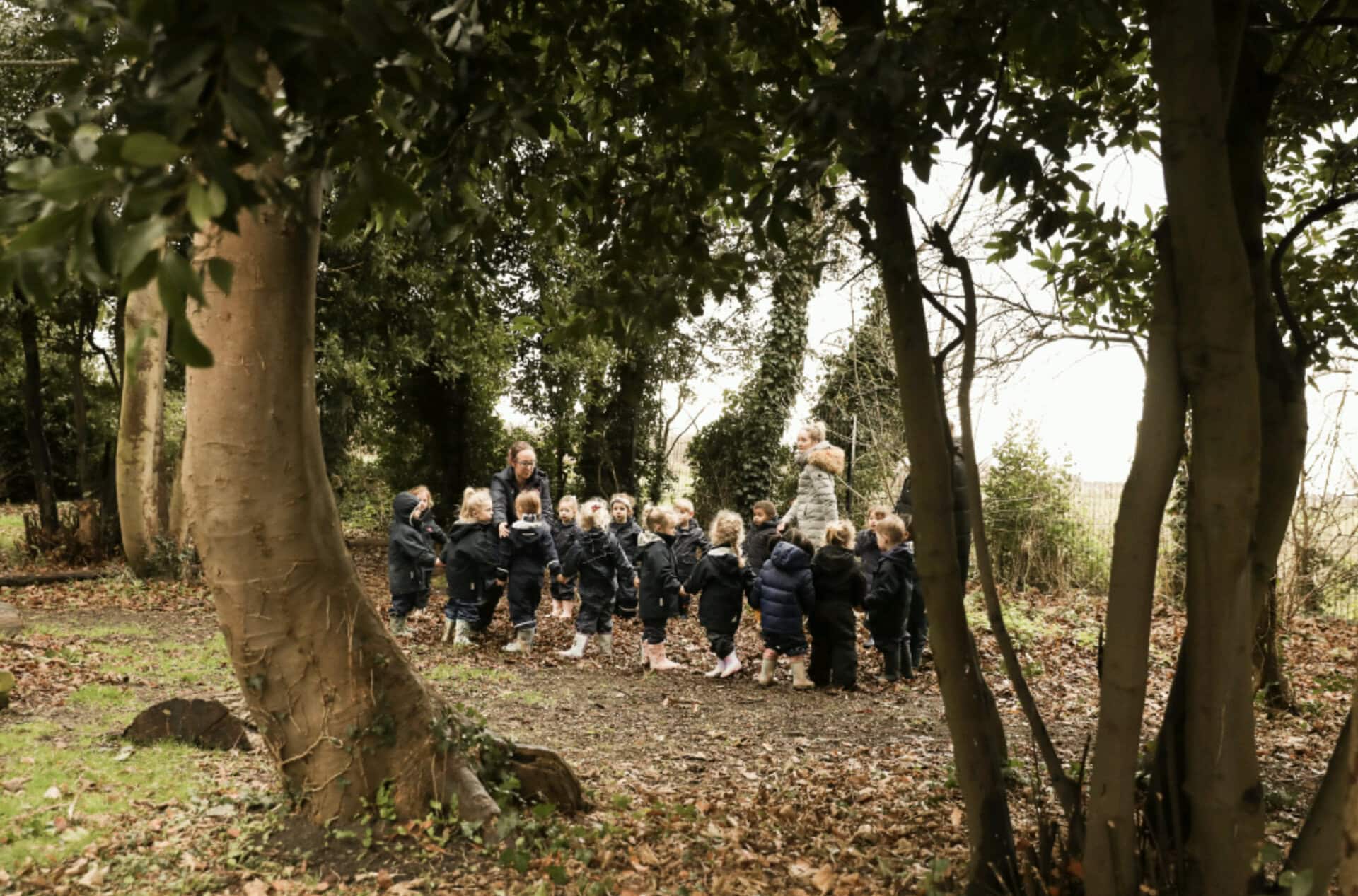
Forest school activities: what a typical woodland session actually looks like
25/09/26
We believe children learn best when they feel safe, secure, and celebrated. Our dedicated staff provide a strong network of support, ensuring every child feels valued.
Read

How to Help Your Child Settle Into a New School Year: Prep Tips
25/08/26
We believe children learn best when they feel safe, secure, and celebrated. Our dedicated staff provide a strong network of support, ensuring every child feels valued.
Read