
Published on
15th December 2025
Read time
12 mins
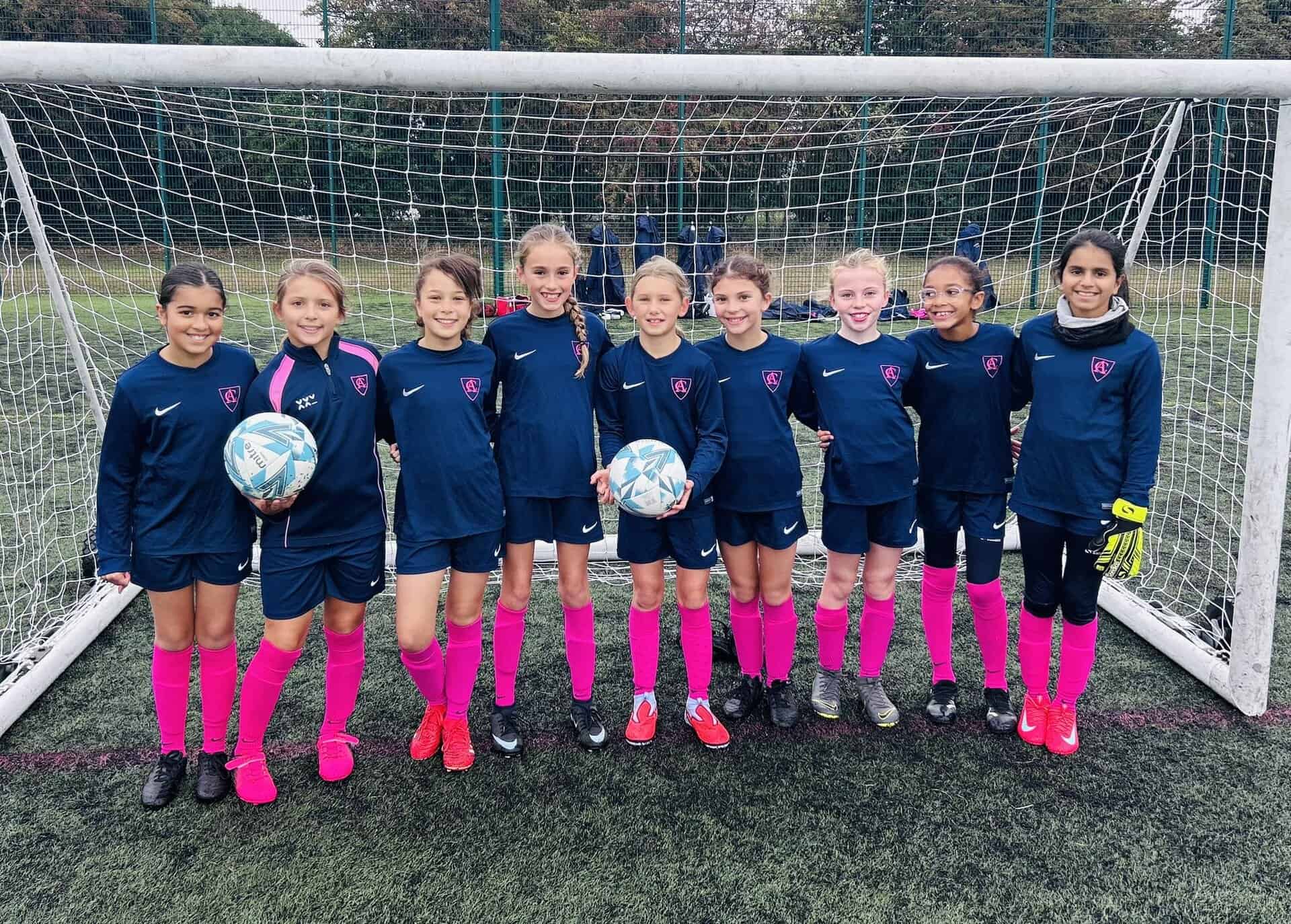
Competitive school sport is about the energy on the field, the determination in each face and the shared goal that drives every player.
Through structured competition and physical activity, your child gains the chance to strengthen their character, build resilience and develop lifelong habits that support personal growth.
When they step into a match, they test not only their skills, but their focus, teamwork and discipline. Prep school sport gives pupils space to learn leadership, manage time effectively, stay committed and handle both victory and defeat with balance. These experiences form the foundation for confidence and maturity both on and off the field.
Here, we cover the top benefits of competitive sport in prep and independent schools.
1. Building resilience through regular competition
When your child takes part in regular school competitions, they learn to deal with both success and failure in a practical way. Each match gives them the chance to test their skills and see how they respond under pressure. Facing these challenges helps them grow stronger mentally and emotionally.
Through competitive sport, your child experiences setbacks that teach them to recover and focus on improvement. Competitive youth sports build confidence and emotional control; by managing wins and losses, children develop patience and learn to keep effort consistent even when results vary.
A structured sporting environment also reinforces discipline and goal setting. Regular training and events allow your child to recognise progress over time, giving them a sense of control and confidence in their abilities.
These experiences shape how they respond to everyday challenges. The lessons learned on the field – persistence, adaptability, and focus – transfer to their studies and personal growth. Over time, consistent competition helps them develop a balanced and resilient mindset.
2. Enhancing teamwork and communication skills
When your child takes part in competitive school sports, they learn how to work with others toward a shared goal. They practise listening, speaking clearly and giving feedback to teammates. Through each match or training session, they learn that success depends on cooperation and mutual support.
Working in a team helps them see the importance of different roles. Whether they pass the ball, defend or lead an attack, each action contributes to the team’s performance. Competitive sports provide a setting where they can safely make mistakes and improve how they communicate under pressure.
In games and practices, your child must coordinate strategies, make quick decisions and respond to changing situations. These moments strengthen their problem‑solving and social skills in real time.
Schools that promote collaboration in competitive sport, like Alleyn Court, also see improvements in pupils’ social interactions. When your child plays with others, they learn empathy, self‑control and respect. Over time, these experiences enhance their confidence both on the field and in everyday group settings.
3. Developing leadership qualities on and off the field
When your child takes part in team sports, they learn to take responsibility for their actions and decisions. They practise clear communication, set shared goals and manage group challenges. These experiences build confidence and help them understand how their behaviour affects others.
On the field, they'll see the value of teamwork and self-discipline. They learn how to lead by example, showing respect for coaches, teammates and opponents.
The lessons gained from sport extend into daily life. Taking initiative during a game can translate into leading a class project or helping organise a school event. The leadership skills developed through sports prepare your child to handle challenges with resilience, adaptability and focus.
By learning to guide and support others both on and off the field, your child will strengthen their sense of accountability. Over time, these skills shape them into a capable leader who can contribute positively to any group setting.
4. Improving self-discipline and time management
When your child takes part in competitive sport, they learn to plan their time and balance schoolwork, training and rest. They'll quickly see how small choices, like finishing homework before practice, help them keep up with both their studies and their sport.
Regular training sessions teach your child to follow routines and stay focused. Sticking to a schedule builds habits that help them in other parts of life too. Schools like Alleyn Court use competitive school sport and physical activity to encourage these habits in children from a young age.
Sport also teaches your child to work towards goals through effort and patience. They'll learn that improving a skill or achieving a team win takes time and practice. Research shows that sports education helps pupils develop values such as discipline and responsibility, which are essential tools for future study and work.
Managing school, sport and personal time helps your child become organised and independent. These lessons, learned through daily commitment to training and teamwork, carry beyond the playing field.
5. Creating a sense of responsibility and commitment
When your child takes part in competitive school sport, they learn to balance personal goals with team expectations. They become accountable for turning up to training, keeping track of their kit and giving their best effort, even on difficult days. These habits encourage reliability that benefits both their school and home life.
Your child also begins to understand the way others rely on them. Coaches and teammates expect them to meet shared goals, and this builds mutual trust. Playing regular matches provides a structure that helps your child manage time, preparation and focus.
Research on competitive school sports participation shows that consistent involvement encourages discipline and persistence. As your child begins to commit to training cycles and competition schedules, they start to strengthen a long-term outlook.
Designing activities that value progress over results can also support responsibility. For example, process-based competition helps students focus on self-improvement rather than simply winning. Through this approach, they can practise setting goals, reflecting on their performance and taking responsibility for their personal growth.
6. Boosting self-esteem and confidence in abilities
When your child takes part in competitive school sport and physical activity, they learn to handle both success and failure. Each match or event helps them understand their strengths and areas for growth. This awareness builds a sense of personal value that supports confidence in other parts of their life.
Sports also give your child opportunities to receive feedback from coaches and peers. Positive encouragement from adults and teammates helps your child feel recognised and capable. Sport is especially powerful for improving girls' confidence, which makes encouraging girls into sport more important than ever. Research shows millions of young girls drop out of sport in their teens for issues around self esteem.
Participation in structured physical activity like sports teams or physical education can further shape your child's belief in their own abilities. Physical education encourages confidence through both individual and team achievements. Repeated effort and progress reinforce the feeling that they can improve with practice.
Over time, seeing the results of their work, whether winning a game, improving a skill or simply contributing to their team, builds a sustainable sense of pride in your child. They begin to trust their choices, manage pressure more effectively and approach new challenges with greater assurance.
7. Learning to cope with both success and failure
In competitive school sport, your child will learn early that winning and losing are both part of the experience. Success can feel rewarding and boost their confidence, but it also reminds them that hard work and preparation matter. When they perform well, they’ll see that consistent effort leads to concrete results.
Dealing with loss teaches your child something equally valuable. They discover how to stay calm, accept the outcome and look at what can be improved next time. Handling defeat helps them build resilience and emotional control, qualities that support growth in and out of competitive sport.
Taking part in structured competitions helps your child develop perseverance and resilience. Whether their team wins or loses, they learn to view both outcomes as opportunities to improve. This balanced mindset prepares them to manage challenges in school and later in life.
As they continue to compete, they start to respect both their achievements and their setbacks. This process strengthens self-awareness and discipline, helping your child approach future experiences with confidence and focus.
8. Encouraging healthy physical activity and fitness
Children develop strong bodies and active habits when they take part in regular physical activity and team sports in school. Competitive games encourage movement, coordination and balance, forming the base for good lifelong and physical health. When young pupils take part in structured activities, they also learn discipline and consistency, which are key parts of overall wellbeing.
Regular sports participation builds stamina and physical strength during important growth years. Activities such as running, jumping and team play support heart and muscle development. Competitive school sport links closely with better physical fitness and learning outcomes.
Physical activity also supports habits that can protect your child from physical health problems later in life. Taking part in competitive sport at a young age helps set routines for daily movement and balanced lifestyles, encouraging stamina and flexibility while supporting emotional and social growth.
9. Sharpening strategic thinking and tactical awareness
Your child will build strategic thinking because they learn how to make fast and informed choices during games. Competitive school sport helps them read situations, plan moves and decide what action to take next. It teaches them to stay focused under pressure and adapt quickly when the situation changes.
Through constant play, your child will become more aware of positioning and timing. Coaches often use real-game scenarios to help players think ahead and apply tactics in practical ways. This approach supports tactical awareness; the skill of reading the game and reacting effectively.
As your child gains more experience, they'll start to understand how teamwork and communication shape success. They'll learn to anticipate how others move and adjust their strategy to match theirs. Over time, these habits strengthen their decision-making both on and off the field.
10. Cultivating respect for rules and fair play
Children gain a better understanding of fairness when rules are clear and consistent. Following rules teaches them that structure is part of teamwork and mutual respect. It shows that winning and losing both have boundaries that keep competition safe and meaningful.
Through activities that focus on fair play, pupils learn to value honesty and respect for others. Fair play helps children learn how to show empathy, accept mistakes and encourage peers.
Encouraging pupils to reflect on their decisions during games builds social and moral awareness. As research on fair play development in physical education shows, these habits strengthen respect for others both on and off the field.
Helping children appreciate why rules matter gives them tools for life. They come to understand that fairness supports trust, teamwork, and a sense of community, all essential qualities in both sport and school life.
Frequently asked questions
Through structured school sports programmes, prep schools like Alleyn Court help your child strengthen emotional balance, build resilience and practise teamwork in real situations. Regular participation encourages discipline, confidence and respect for others; skills that support both personal growth and academic achievement.
How does participation in competitive school sports contribute to character development in independent school children?
When your child competes in competitive school sports, they learn to handle success and disappointment with fairness and humility. Activities that include healthy competition nurture patience and a strong sense of sportsmanship. Children also gain a clear understanding of responsibility when they manage their roles within a team.
What are the psychological advantages for prep school children involved in team sports?
Taking part in team games improves emotional health and focus. Competitive play helps children stay attentive, think creatively and build emotional awareness. Working with teammates gives them a sense of belonging that can reduce anxiety and improve confidence.
What role do competitive sports play in nurturing social skills among children in prep schools?
Sports create natural opportunities to practise teamwork and communication. At Alleyn Court, children are encouraged to cooperate, show respect for others and value collective effort. These lessons extend beyond the field, helping them communicate more effectively in other social settings.
How do competitive school sports shape resilience and coping strategies for young students?
Competitive school sport helps your child develop resilience when they face challenges, setbacks and changes in competitive play. The structure of competitive sport requires consistent effort and problem-solving. With each match, children learn to recover from mistakes and adapt constructively to pressure.
Can engagement in competitive school sports reduce the likelihood of negative behaviours in independent school children?
Participation in regular competition encourages positive behaviour through structure and accountability. Team activities boost discipline and self-control, making children less likely to engage in disruptive behaviour. When children focus on shared goals, they build values that support a respectful and balanced school environment.
Latest news
View all blogs
Private school fees in Essex: what they include and how to think about value
25/09/26
We believe children learn best when they feel safe, secure, and celebrated. Our dedicated staff provide a strong network of support, ensuring every child feels valued.
Read
Forest school activities: what a typical woodland session actually looks like
25/09/26
We believe children learn best when they feel safe, secure, and celebrated. Our dedicated staff provide a strong network of support, ensuring every child feels valued.
Read
How to Help Your Child Settle Into a New School Year: Prep Tips
25/08/26
We believe children learn best when they feel safe, secure, and celebrated. Our dedicated staff provide a strong network of support, ensuring every child feels valued.
Read