
Published on
5th January 2026
Read time
11 mins

Moving from prep school to senior school in Year 7 or Year 9 represents a major change in your child's education. An unfamiliar environment, different teachers, increased independence and increased academic expectations can feel overwhelming for both children and parents.
Understanding how to prepare effectively can make this transition smoother and less stressful. The months leading up to senior school offer valuable time to develop organisational skills, explore your child's new environment and establish routines that support success. Focusing on both academic readiness and social wellbeing creates a balanced foundation for this important milestone.
Here, we're going to share practical strategies to help your child navigate the transition from prep school to senior school.
1. Discuss the transition months in advance to familiarise your child with upcoming changes.
Starting conversations about secondary school early helps your child feel more prepared and less anxious. Begin talking about the move at least three to six months before the transition happens; this might be near the end of their time in Year 6 or Year 8.
Supporting children through school transitions works best when there is ongoing communication between you, your child and the school. These regular chats give your child time to process the information and ask questions as they think of them.
Keep your discussions positive but realistic. Talk about what will be different, such as having multiple teachers, changing classrooms and managing a new timetable. Also mention what will stay the same, like seeing friends and learning new things.
Each conversation doesn't need to be long or formal. You can bring up the topic naturally during car journeys or at mealtimes. This approach makes the transition feel normal rather than something to worry about.
Ask your child what they're curious or concerned about. Listen to their thoughts without dismissing any worries they share. Understanding each child's individual needs based on their responses helps you provide the right support.
2. Visit the senior school together to explore the environment and reduce anxiety
Visiting the new school before your child starts helps them feel more comfortable with the change. New buildings and unfamiliar faces can feel overwhelming, so familiarising them with the environment beforehand makes a real difference.
Most senior schools offer the opportunity for prospective pupils to visit once they have accepted their offer and before they start at the school. Take advantage of these opportunities to walk around the campus together. Your child can find out where their classrooms will be, where the dining hall is located and where they can spend their downtime.
Let your child ask questions during the visit. They might want to know about lockers, break times or where to go if they need help. Getting answers directly from staff or current pupils can ease their worries.
If possible, arrange multiple visits before the first day. Each visit helps your child build a mental map of the school. They will feel less anxious when they arrive on their first day because the surroundings will already seem familiar.
3. Encourage your child to manage their own homework and daily routines for independence
Building independence before senior school starts with letting your child take charge of their homework and daily tasks. Creating a designated homework space and establishing a routine helps children develop responsibility for their learning.
Start by helping your child create a simple schedule for homework, activities and free time. They need to learn how to balance their responsibilities now, before the demands of senior school increase.
Daily routines provide security whilst helping children develop essential life skills and confidence. Encourage your child to manage morning and evening routines independently, such as organising their school bag, laying out their uniform and checking their timetable.
Step back and resist the urge to remind them constantly. Allow them to experience natural consequences when they forget something minor. This teaches problem-solving skills they'll need in senior school.
4. Create a structured after-school routine to support rest and productivity
Moving schools in Year 7 or Year 8 means longer days and more demanding work. A solid after-school routine helps your child manage these changes without becoming overwhelmed.
Start with a snack and downtime when they first arrive home. This gives them a chance to decompress after a busy school day. A structured after-school routine creates natural rhythms that make the transition from school to home life smoother.
Build in time for homework, but don't rush it immediately. Some children work better after a short break, whilst others prefer to complete tasks straight away. Work with your child to find what suits them best.
Include time for physical activity or hobbies. These help your child switch off from academic pressures and maintain balance.
The key is consistency. Stick to your routine most days, but allow flexibility when needed. This structure will become especially valuable as senior school demands increase.
5. Help your child develop organisational skills
Developing good organisational skills is essential for success in senior school. The increased demands of multiple subjects and teachers make planning ahead key.
Encourage your child to pack their school bag the evening before. This simple routine reduces morning stress and ensures they have everything they need for each class. A checklist can be helpful, if they're worried about forgetting anything.
You can also help your child select and lay out their uniform the night before. This removes one task from the busy morning routine. Creating consistent routines helps children feel secure and prepared.
These organisational habits will serve your child well throughout their senior school years. Start practising them during the summer holidays to make the transition smoother.
6. Address emotional concerns openly to provide reassurance and build confidence.
Moving to senior school brings up many feelings for your child. They might worry about making friends, finding their way around or keeping up with harder work. Talk with your child about what worries them most and listen without judging their concerns. When you offer reassurance in a calm and confident way, you help ease their anxiety.
You can share stories about times when you faced similar changes, which shows them that feeling nervous is normal. Encourage your child to ask questions about their new school and what they might experience.
Build their confidence by reminding them of past successes. Point out how they've handled changes before, like starting prep school, passing their new school's Common Entrance exams or joining new clubs.
Supporting their emotional wellbeing now creates a strong foundation for their success at senior school. Keep the conversation going throughout the transition period.
7. Promote opportunities for your child to make new friends through clubs or activities
Joining clubs or extracurricular activities creates natural opportunities for your child to meet classmates who share similar interests. Sports teams, art groups, music clubs and drama societies all provide settings where children can interact and work together.
These structured activities take the pressure off making conversation. Your child can bond with peers whilst focusing on a shared task or goal.
Consider what your child enjoys and look for relevant clubs at their new school. Most senior schools offer a wide range of options, from chess club to football to debate teams. Starting these activities early in the term helps your child establish connections.
Friendships give children a sense of belonging and help build self-esteem. By actively creating opportunities for social interaction, you're helping your child develop the connections that will support them through their senior school years.
8. Balance academic preparation with extracurricular engagement to aid adjustment.
Moving to senior school requires your child to manage both their studies and activities outside the classroom. This balance helps them adapt to their new environment more easily.
Start by looking at their homework and project deadlines together. Work out how much time they need for studying each week, then take a look at which clubs or sports they want to join.
Participating in extracurricular activities helps your child develop important skills whilst making new friends. These activities also give them a break from academic work.
Work together to create a simple weekly schedule that includes time for both schoolwork and their chosen activities. Make sure they leave enough time to complete assignments without rushing. They can adjust their plan as they learn what works best for them.
9. Stay in regular contact with teachers to monitor progress and wellbeing.
Regular communication with your child's teachers helps you track their academic progress and emotional adjustment during this important transition. Teachers can spot learning gaps early and suggest targeted support before small issues become bigger problems.
Schedule brief check-ins throughout the term rather than waiting for formal parents' evenings. Email updates work well for quick questions about homework or classroom behaviour.
Monitoring your child's progress allows you to see how school policies and support systems are working in practice. Ask teachers about your child's participation in class, friendship groups and any changes they've noticed in mood or confidence. This is something you should be doing with your child's prep school too ahead of their transition.
Teachers also appreciate hearing your perspective about how your child is coping at home. Share any concerns about stress, sleep patterns or reluctance to attend school.
This partnership approach ensures your child's academic progress and wellbeing receive proper attention. Keep conversations focused and solution-oriented to make the most of everyone's time.
Frequently asked questions
Parents often have similar concerns about academic expectations, emotional adjustments, and practical skills needed for senior school success. Students benefit from understanding workload management, social integration strategies and how extracurricular involvement supports their transition.
How can parents support their children's emotional wellbeing during the transition to senior school?
Listen to your child's concerns without dismissing their feelings as trivial. Create regular opportunities for them to share their experiences and worries about the upcoming change.
Maintain consistent routines at home to provide stability during this period of change. Ensure your child gets adequate sleep, eats properly and has time to relax.
Stay connected with the school through parent meetings and communication channels. This helps you identify potential issues early and respond appropriately.
Normalise the feelings of nervousness by sharing your own experiences of major transitions. Remind your child that uncertainty is temporary and they will settle in over time.
How can extracurricular activities ease the adaptation to senior school culture?
Joining clubs and societies helps your child meet students who share their interests. These friendships often develop naturally through shared activities rather than forced social situations.
Extracurricular involvement gives your child a sense of belonging beyond the classroom. They become part of smaller communities within the larger school environment. Activities provide opportunities to develop new skills and discover hidden talents. This builds confidence that carries over into academic settings.
Participating in school events helps your child learn the unwritten rules and traditions of their new school. They become familiar with the culture through active involvement. Team sports and group activities teach them how to work with older and younger students, which broadens their social network quickly.
What organisational skills are essential for managing the increased workload in senior school?
Develop a system with your child for managing multiple subjects with different requirements. Use colour coding, separate folders or dividers to keep materials organised by subject. Moving from prep or primary school means organisation becomes more important.
They'll need to learn to prioritise tasks based on deadlines and importance, completing urgent assignments first whilst planning ahead for longer-term projects. Packing their bag the evening before rather than rushing in the morning and checking their timetable makes mornings stress-free.
Make sure your child keeps their notes organised and legible so they can revise from them effectively. They should file handouts immediately rather than letting loose papers accumulate.
Work with your child to create a weekly overview of homework and commitments each week. This helps them allocate time appropriately and avoid scheduling conflicts.
Latest news
View all blogs
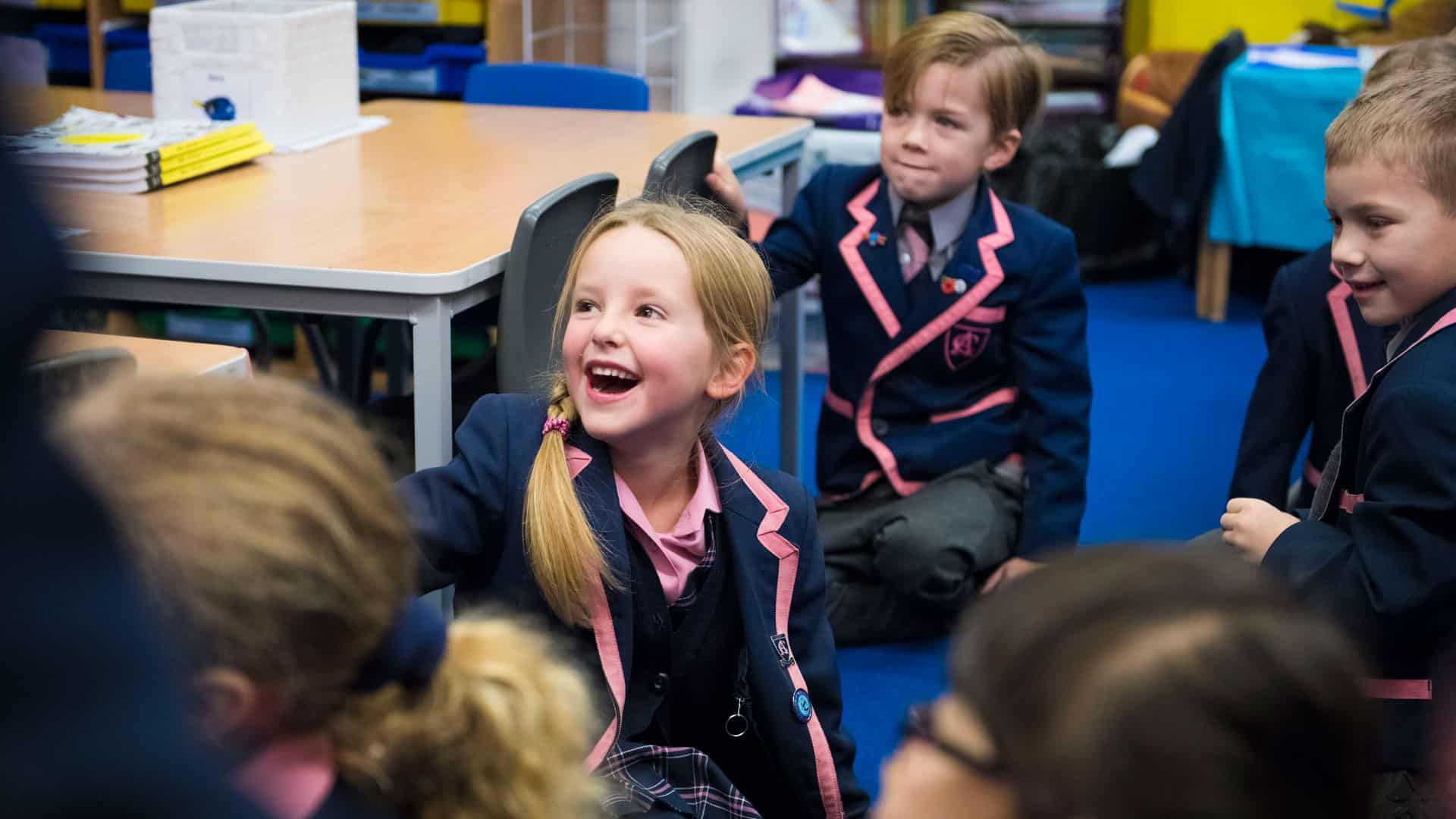
Private school fees in Essex: what they include and how to think about value
25/09/26
We believe children learn best when they feel safe, secure, and celebrated. Our dedicated staff provide a strong network of support, ensuring every child feels valued.
Read
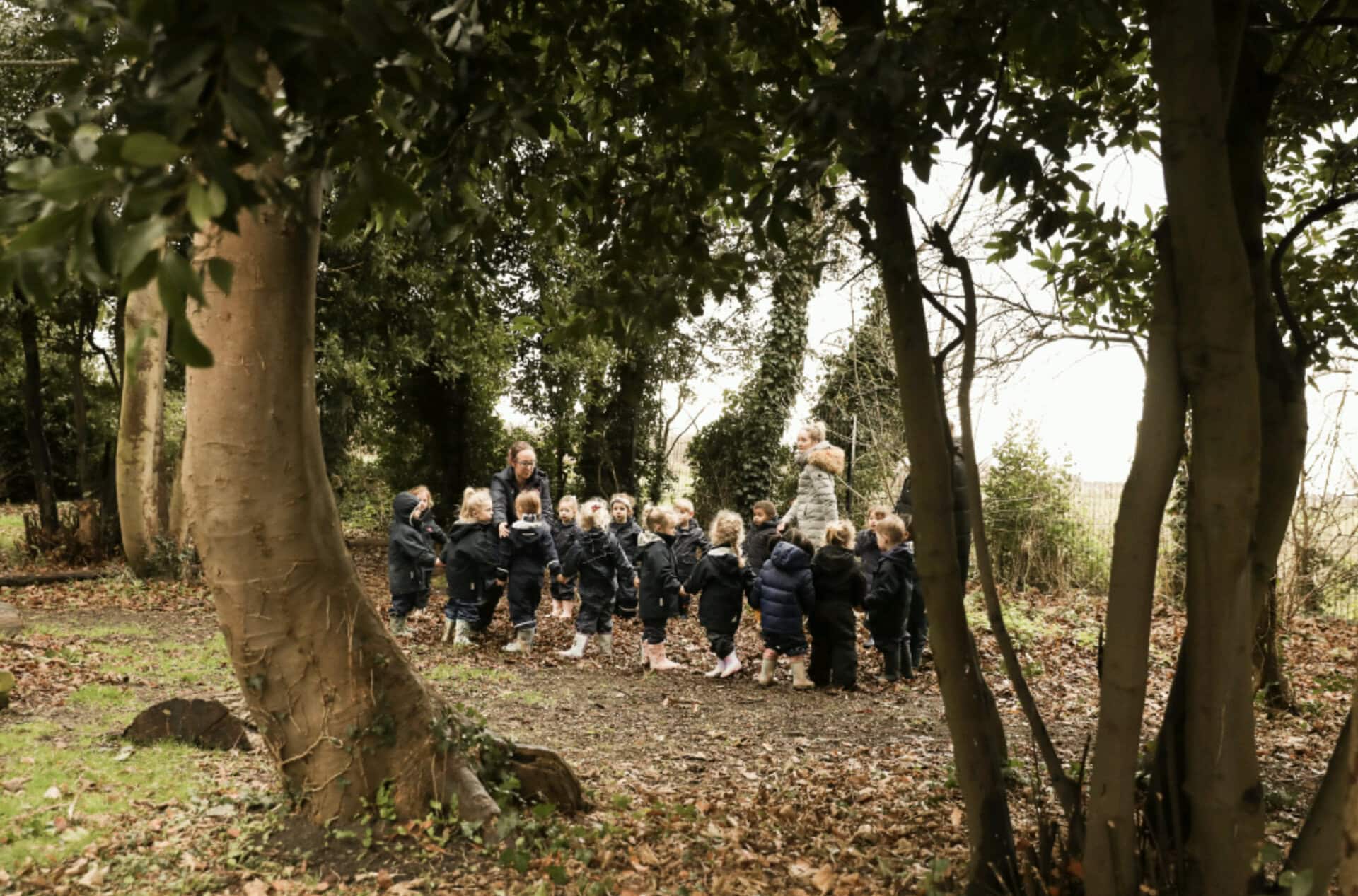
Forest school activities: what a typical woodland session actually looks like
25/09/26
We believe children learn best when they feel safe, secure, and celebrated. Our dedicated staff provide a strong network of support, ensuring every child feels valued.
Read
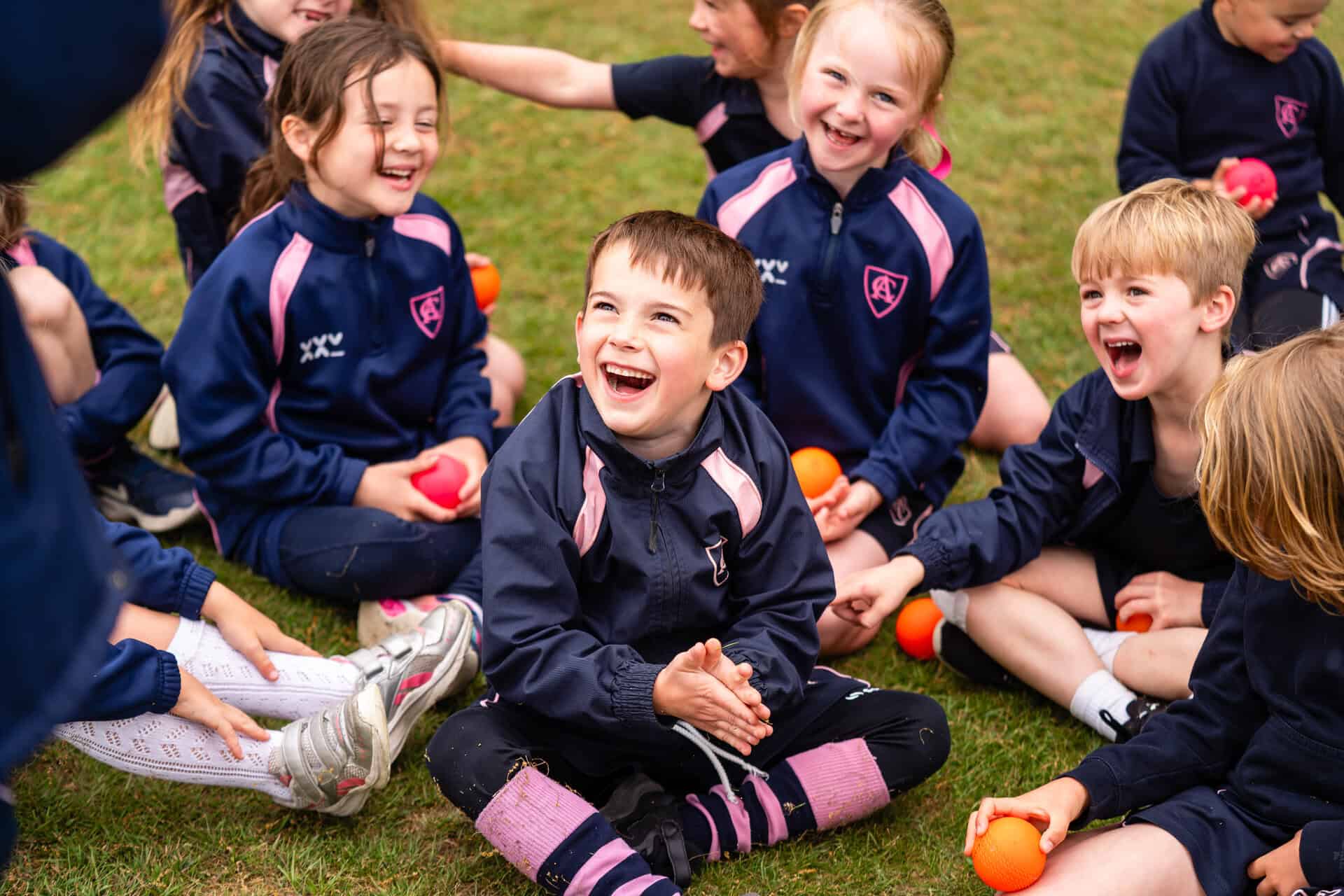
How to Help Your Child Settle Into a New School Year: Prep Tips
25/08/26
We believe children learn best when they feel safe, secure, and celebrated. Our dedicated staff provide a strong network of support, ensuring every child feels valued.
Read