Published on
2nd February 2026
Read time
10 mins
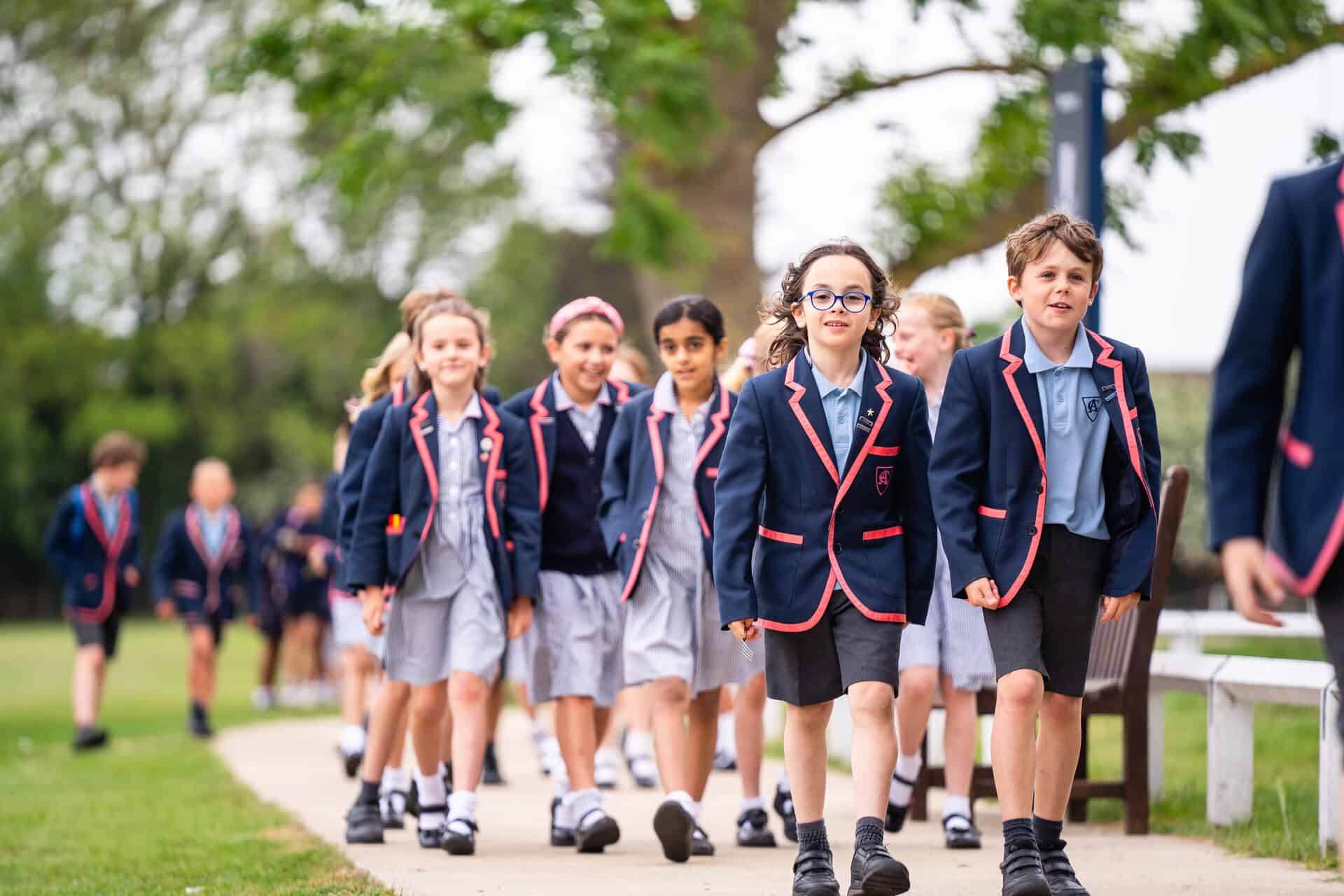
Young people today face growing pressures that affect their emotional wellbeing, from academic demands to social challenges. Private schools like Alleyn Court recognise these struggles and work to create environments where mental health receives the same attention as academic achievement.
Understanding how these schools approach student wellbeing can help you make informed decisions about your child's education.
Private schools have the resources to offer comprehensive mental health support through smaller class sizes, dedicated counselling services, pastoral care teams and wellbeing programmes built into daily school life.
These resources allow staff to spot early warning signs and provide timely support before issues become more serious. The approach combines prevention and intervention, creating safe spaces where students feel comfortable discussing their feelings and concerns.
Here, we'll discuss how private schools offer children exceptional mental health support, from strong pastoral care support to creating a nurturing and positive environment.
1. Smaller class sizes enable personalised mental health support
Private schools typically have fewer students in each classroom compared to state schools; at Alleyn Court, we commit to classes of no more than 17 pupils. This allows teachers to spend more time with individual pupils and notice when something might be wrong.
Small class sizes help teachers nurture each child's personal growth and wellbeing. When your child is in a smaller group, their teacher can spot changes in behaviour or mood more easily. They can also respond quickly if your child seems anxious or withdrawn.
Teachers in smaller classes have more opportunities for one-to-one conversations with pupils. This means your child can build stronger relationships with staff members they trust. These connections make it easier for children to talk about their feelings and ask for help when they need it.
With fewer students per class to support, staff have more time to address each child's specific needs. This personalised approach helps identify mental health concerns early before they become more serious problems.
2. Pastoral care teams providing ongoing emotional guidance
Pastoral care in schools refers to the support system that focuses on your child's wellbeing. It covers emotional support, mental health care and creating an environment where pupils feel safe and valued.
Private schools like Alleyn Court assign dedicated pastoral staff who get to know your child well. These staff members track how your child is doing emotionally and socially throughout the school year and watch for early signs that a pupil might be struggling.
Strong pastoral care ensures schools prioritise emotional health through regular check-ins and support systems. Your child has access to trusted adults who will listen when problems arise.
Pastoral care is embedded across our entire school at Alleyn Court, with all staff trained on supporting our students' emotional wellbeing and experienced in creating an atmosphere that allows children to thrive and be themselves. In addition, we have a number of safeguarding leads and a qualified mental health first aider (MHFA), who are responsible for monitoring our pupils' wellbeing constantly.
Whether your child faces a short-term worry or ongoing mental health challenges, pastoral teams provide consistent guidance throughout their school experience.
3. Proactive discussions on coping with academic pressure
Private schools increasingly recognise that academic pressure affects adolescent mental health. Holding regular conversations with students about managing stress before it becomes overwhelming is a key way independent schools like Alleyn Court help alleviate this stress.
These discussions can take place at any time, from form classes to free time. Teachers, pastoral care staff and our MHFA talk openly with students about setting realistic goals and maintaining balance. Your child learns that struggling with pressure is normal and that seeking help is a sign of strength, not weakness.
Staff are trained to share practical techniques for managing workload and exam stress. Students can learn time management skills, breathing exercises or ways to break large tasks into smaller steps. These tools help your child feel more in control during challenging periods.
Your child benefits when everyone acknowledges that academic success should not come at the cost of mental health. Schools like Alleyn Court that prioritise these proactive discussions create an environment where students feel comfortable discussing their concerns before they escalate into more serious problems.
4. Peer support groups within the school community
Many private schools now establish peer-led programmes to support student mental wellbeing. These groups allow students to share experiences and concerns with classmates who understand what they're going through. At Alleyn Court, this is achieved through our house system; children of different age groups can mix and confide in one another. This is especially beneficial for younger pupils, who can lean on the guidance of more experienced students.
Peer support works because young people sometimes feel more comfortable talking to someone their own age. Your child might find it easier to open up to a fellow student than an adult in the first instance. These programmes can provide effective early support that helps identify mental health problems before they become more serious.
These peer networks complement the professional pastoral care and safeguarding services your child's school offers. They add another layer of support that feels less formal and more accessible for everyday concerns.
5. Tailored wellbeing programmes integrated into the curriculum
Private schools often integrate mental health and wellbeing across their curriculum and culture rather than treating it as a separate concern. These programmes can come in the form of dedicated sessions or be incorporated into lessons.
For example, we can embed emotional literacy and resilience skills into subjects like English, drama and PSHE. Your child can explore emotions through literature or discuss stress management during science lessons about the brain.
One way we do this at Alleyn Court is through our forest school programme. The benefits of nature on mental and physical wellbeing are well-established, so we know that taking learning outdoors offers mental clarity and support for our students.
Mental health programmes in schools recognise that psychological and emotional wellbeing is key to your child's overall development and academic success. Teachers are trained to spot early warning signs and respond appropriately.
This whole-school approach helps normalise conversations about mental health. When wellbeing becomes part of everyday school life, your child feels more comfortable seeking support when needed.
6. Early identification and intervention for mental health issues
Private schools often have systems in place to spot mental health concerns before they become serious problems. Staff receive training to recognise warning signs like changes in behaviour, falling grades or withdrawal from activities. This helps them identify students who might be struggling.
Pupils benefit from early identification and intervention because it reduces secondary difficulties. When children get support before their struggles worsen, it can prevent more serious issues from developing. This approach focuses on stopping problems before they grow.
Regular check-ins with pastoral staff create opportunities to discuss concerns. Preventing mental health problems from developing is highly effective alongside providing support for children who are already struggling. Private schools prioritise both approaches to protect student wellbeing.
7. Safe spaces for students to openly express their feelings
The environment and culture a child experiences has an enormous impact not only on their wellbeing but on how comfortable they are opening up. These factors shape how they understand emotions, cope with stress and seek help.
Private schools like Alleyn Court create an environment where students can talk about their emotions without fear of judgement. This comfortable setting gives young people the chance to share what they're going through in a supportive environment.
Creating a safe space helps your child feel comfortable expressing difficult emotions. In addition to a warm and inclusive culture, schools use quiet rooms, counselling areas or other dedicated zones where students know they can speak freely and privately.
Dedicated spaces work because they remove the pressure of daily school life. Students can take time to process their feelings before returning to class. Teachers and pastoral care staff ensure conversations remain private and confidential within safeguarding limits.
Frequently asked questions
Private schools typically combine smaller class sizes with dedicated counselling services and pastoral care teams to address student mental health needs. These institutions provide staff training and integrate mental health awareness into their curricula whilst maintaining connections to external professionals.
What strategies do private schools implement to boost mental wellbeing among students?
Private schools like Alleyn Court use their smaller student populations and additional resources to create innovative mental health initiatives. You'll find that many institutions offer strong pastoral care options that are more comprehensive than those offered in state schools.
These schools implement social and emotional learning programmes that help students develop resilience and essential life skills. The smaller class sizes allow teachers to notice changes in behaviour or mood more quickly than in larger settings.
Private schools prioritise mental health by addressing issues ranging from stress and anxiety to more serious concerns. Schools like Alleyn Court hold proactive discussions with students about coping with academic pressure or other stressors rather than waiting for problems to emerge.
What provisions are made for mental health awareness and support in the private school curriculum?
Private schools implement supportive environments through both dedicated curriculum time for mental health education and embedding it into wider subjects. Personal, social, health and economic (PSHE) lessons often cover topics like stress management, healthy relationships and recognising signs of mental distress.
Your child may participate in assemblies, workshops and awareness campaigns throughout the school year. These activities normalise conversations about mental health and reduce stigma amongst students.
How do private schools ensure that their staff are equipped to identify and support students with mental health issues?
Private schools invest in regular training for teachers and support staff to recognise early warning signs of mental health struggles. Staff learn to identify changes in academic performance, social withdrawal, or behavioural shifts that might indicate emotional difficulties.
Mental health awareness becomes a critical step in creating supportive learning environments. Teachers receive guidance on appropriate responses when students disclose concerns and when to refer issues to specialist staff.
Many schools bring in external trainers to deliver professional development on topics like anxiety, depression, and trauma-informed teaching approaches. This ongoing education helps staff stay current with best practices in student mental health support.
What are the typical support systems in place for students facing emotional difficulties in private schools?
Counselling services form the foundation of support for students struggling with anxiety, behavioural challenges, self-harm, or depression. You can expect your child to have access to confidential one-to-one sessions with trained professionals.
Pastoral care teams provide ongoing emotional guidance and act as a first point of contact for students experiencing difficulties. These teams typically include housemasters, form tutors, and year heads who know your child well.
Private schools maintain connections to external mental health professionals for complex cases requiring specialist intervention. Peer support programmes, mentoring schemes, and wellbeing centres offer additional layers of assistance for students navigating emotional challenges.
Latest news
View all blogs
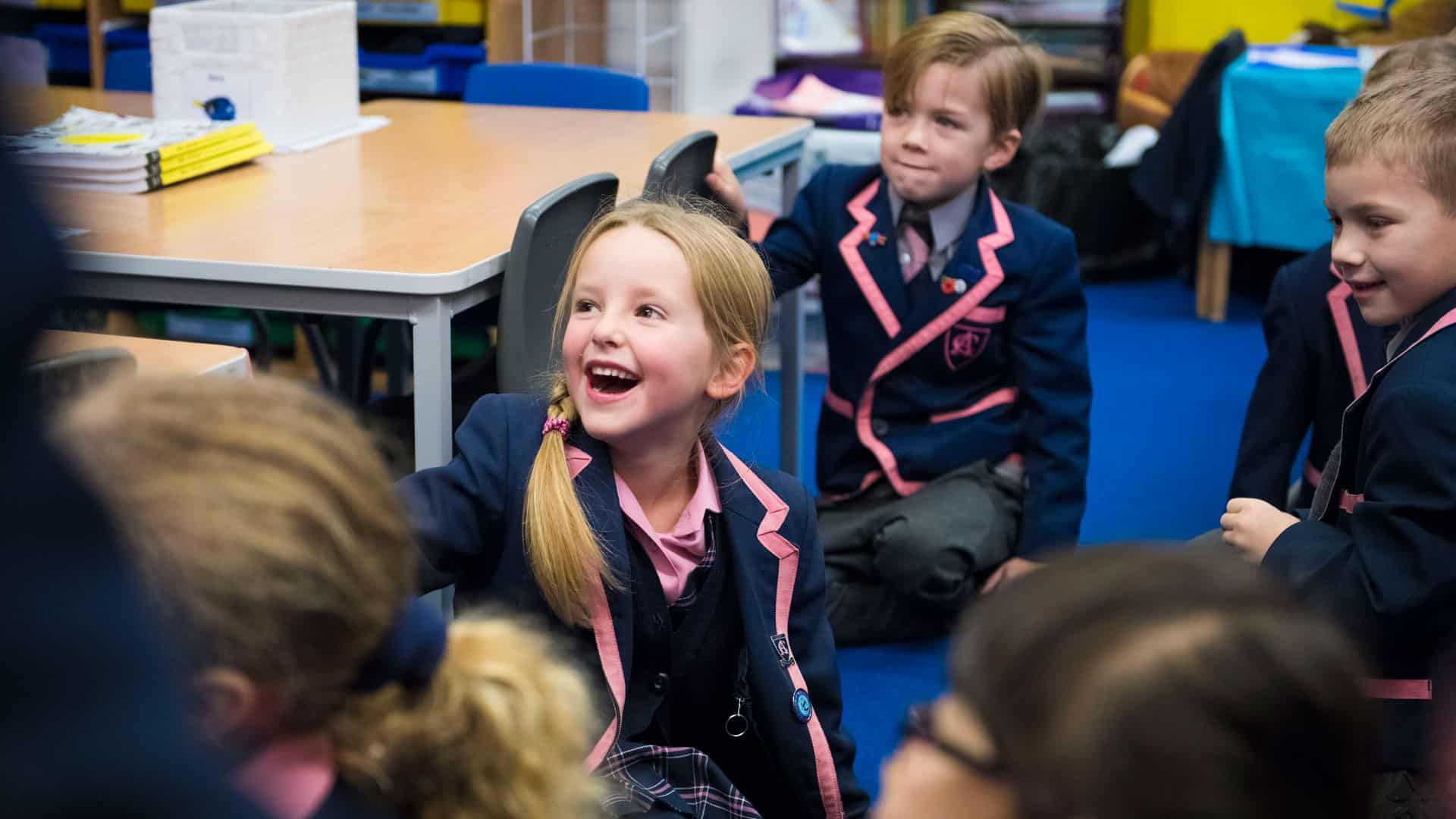
Private school fees in Essex: what they include and how to think about value
25/09/26
We believe children learn best when they feel safe, secure, and celebrated. Our dedicated staff provide a strong network of support, ensuring every child feels valued.
Read
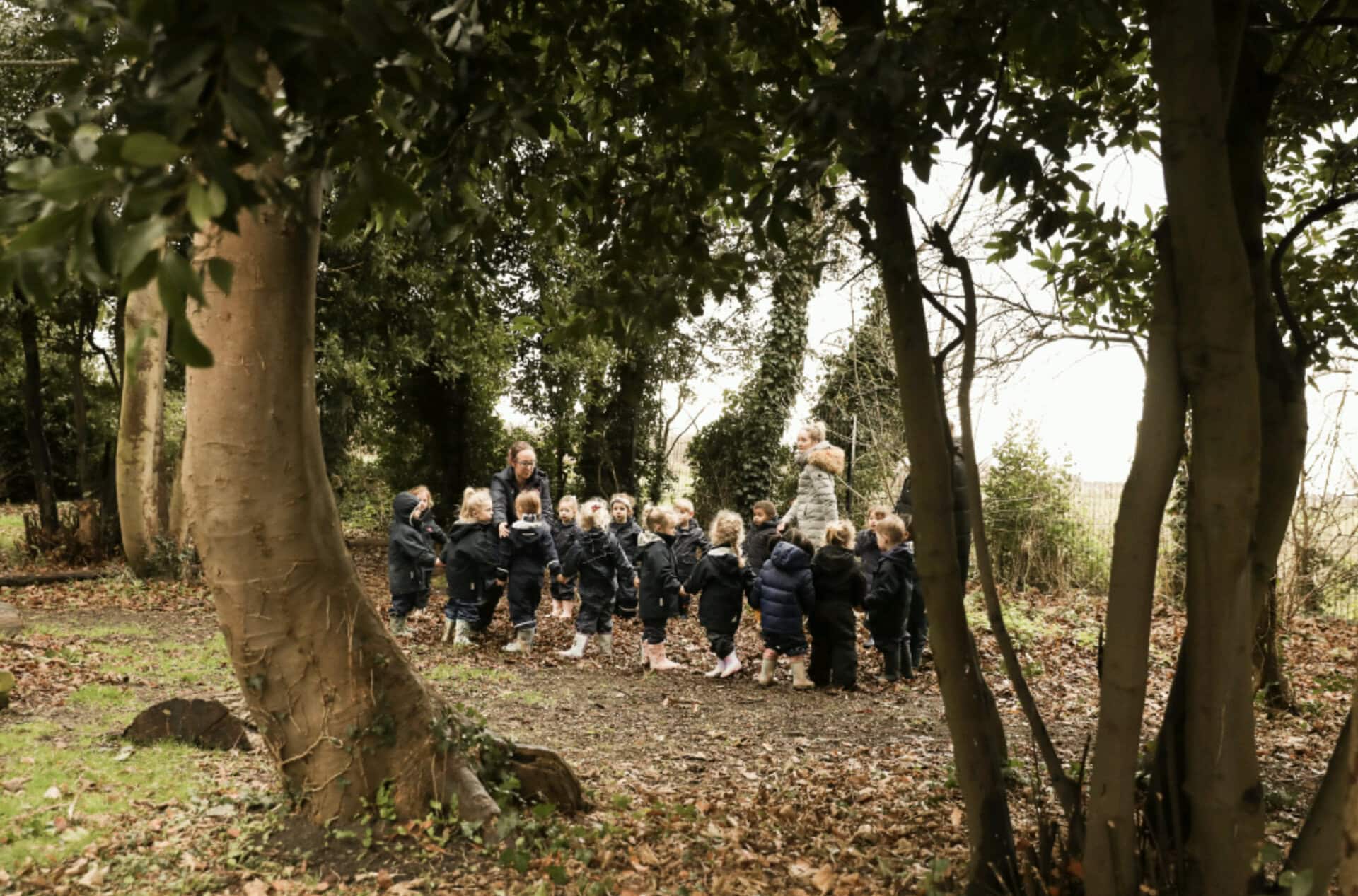
Forest school activities: what a typical woodland session actually looks like
25/09/26
We believe children learn best when they feel safe, secure, and celebrated. Our dedicated staff provide a strong network of support, ensuring every child feels valued.
Read

How to Help Your Child Settle Into a New School Year: Prep Tips
25/08/26
We believe children learn best when they feel safe, secure, and celebrated. Our dedicated staff provide a strong network of support, ensuring every child feels valued.
Read